
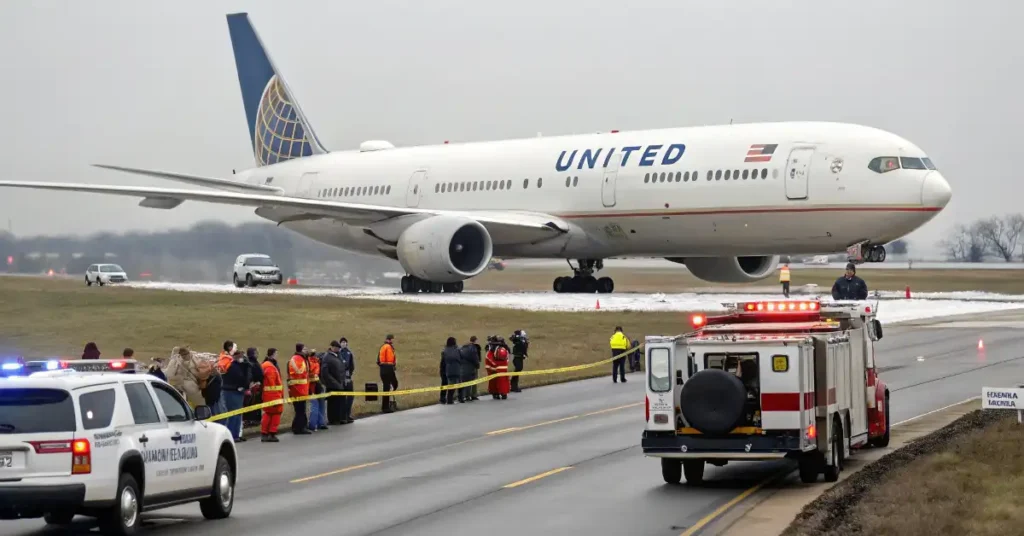
Air travel is one of the safest forms of transportation in the world, but unexpected situations can still occur. One event that gained attention among travelers and aviation enthusiasts was the incident involving United Flight UA967 diverted during its transatlantic journey. The diversion sparked curiosity about what happened, why the aircraft changed course, and how airlines handle such situations.
In this detailed guide, we will explore the complete story behind the United Flight UA967 diversion, the reasons diversions happen, the safety procedures involved, the passenger experience, and what this event teaches us about modern aviation.
What Is United Flight UA967?
United Flight UA967 is a regularly scheduled international service operated by United Airlines between Naples, Italy and Newark, New Jersey. The route is popular among both business and leisure travelers crossing the Atlantic.
The flight is typically operated using a Boeing 767 aircraft designed for long-haul international travel. These aircraft are equipped with advanced navigation systems, safety technologies, and communication equipment to ensure safe operations across thousands of miles.
Most flights on this route operate normally, but in this particular case, the aircraft was forced to divert before reaching its intended destination.
Overview of the UA967 Diversion
The incident occurred during a transatlantic journey from Naples to Newark. After several hours in the air, the flight crew identified a potential technical concern that required immediate attention.
Rather than continuing across the Atlantic and risking a more serious problem later, the pilots followed established aviation safety procedures and chose to divert the aircraft to an alternate airport.
The aircraft eventually landed safely in St. John’s, Newfoundland, Canada, where passengers and crew were able to disembark without injury.
While the diversion caused delays and inconvenience, it demonstrated the aviation industry’s commitment to safety above all else.
Why Was United Flight UA967 Diverted?
According to reports discussing the incident, the diversion was linked to a technical alert and a reported burning odor detected during the flight. The flight crew treated the situation seriously, as any unusual smell or system warning aboard an aircraft must be investigated immediately.
In aviation, pilots never assume a warning is harmless. Even when a problem later proves minor, crews are trained to take precautionary action.
Possible reasons airlines divert flights include:
1. Mechanical Issues
Aircraft systems are highly complex. A warning involving cooling systems, electrical equipment, or onboard monitoring systems can lead to a diversion.
2. Safety Precautions
A diversion does not necessarily mean there is an emergency. Often, pilots choose the safest option when any uncertainty exists.
3. Technical Alerts
Modern aircraft constantly monitor thousands of system parameters. Even a minor irregularity may trigger a warning that requires inspection.
4. Preventive Decision-Making
The aviation industry follows a philosophy of prevention rather than reaction. It is always better to land early and inspect an aircraft than continue flying with unanswered questions.
Why St. John’s Was Chosen
Many travelers wondered why the flight landed in Newfoundland instead of continuing to Newark.
The answer lies in aviation planning.
Every long-haul flight has designated alternate airports along its route. During transatlantic crossings, airports in Newfoundland often serve as ideal diversion points because they provide:
- Long runways
- Emergency services
- Aircraft maintenance support
- Favorable location along North Atlantic routes
- Passenger accommodation options
For a flight already crossing the Atlantic, St. John’s represented one of the safest and most practical airports available.
How Pilots Handle a Mid-Flight Diversion
When a potential issue is detected, pilots follow a structured process.
Step 1: Assess the Situation
The crew reviews cockpit alerts, aircraft data, and any unusual indications.
Step 2: Contact Operations
Pilots communicate with airline operations specialists who can provide technical guidance.
Step 3: Evaluate Alternate Airports
Several diversion airports are considered based on:
- Distance
- Weather conditions
- Runway availability
- Maintenance capabilities
Step 4: Coordinate With Air Traffic Control
Air traffic controllers assist the aircraft in changing course safely.
Step 5: Inform Passengers
The crew provides updates and instructions to passengers while maintaining calm and order.
This process ensures that diversions occur in a controlled and safe manner.
Passenger Experience During the Diversion
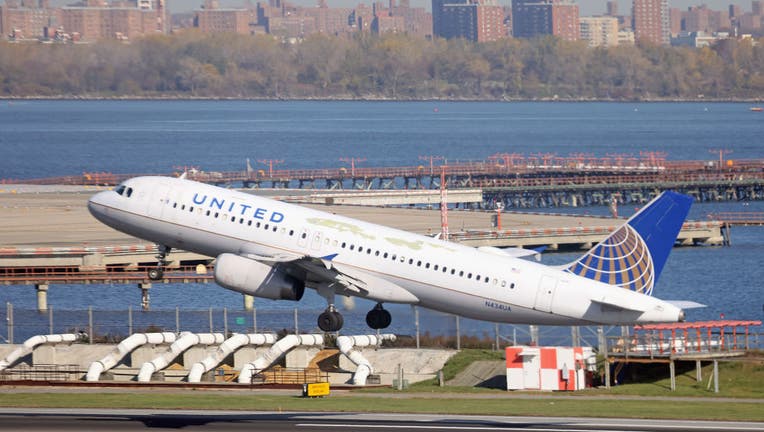
For passengers, diversions can be stressful.
Many travelers onboard UA967 likely experienced:
- Uncertainty about arrival times
- Missed connections
- Extended travel delays
- Hotel and accommodation concerns
- Rebooking challenges
However, airline crews are trained to manage passenger communication during these events.
Once the aircraft landed safely, passengers received assistance regarding:
- New travel arrangements
- Hotel accommodations when necessary
- Meal vouchers
- Updated flight schedules
While delays are frustrating, passenger safety remains the primary objective.
Understanding Flight Diversions
Flight diversions are more common than many people realize.
Thousands of commercial flights operate daily around the world, and a small percentage are diverted for reasons such as:
Weather
Severe storms, fog, hurricanes, and snow can force pilots to land elsewhere.
Medical Emergencies
A passenger requiring urgent medical treatment may require an unscheduled landing.
Technical Concerns
Mechanical warnings often lead to precautionary diversions.
Security Issues
Potential security concerns may require immediate action.
Airport Closures
Runway problems, air traffic congestion, or operational disruptions can affect destinations.
Most diversions are precautionary and result in safe outcomes.
Aviation Safety Systems at Work
The UA967 diversion highlights how aviation safety systems function effectively.
Modern aircraft use:
Advanced Sensors
Aircraft continuously monitor engines, electrical systems, hydraulic systems, and environmental controls.
Real-Time Communications
Pilots remain connected with:
- Air traffic control
- Airline operations centers
- Maintenance specialists
Safety Protocols
Strict procedures ensure that potential risks are addressed immediately.
Redundant Systems
Commercial aircraft are designed with backup systems that allow safe operations even when a component experiences issues.
Because of these layers of protection, commercial aviation remains exceptionally safe.
How Airlines Handle Diversions
A diversion creates a significant logistical challenge for airlines.
Following a diversion, airlines must coordinate:
Passenger Rebooking
Travelers are reassigned to new flights.
Aircraft Inspection
Maintenance teams investigate the issue.
Crew Scheduling
Flight crews must comply with duty-time regulations.
Customer Support
Airlines provide updates, accommodations, and assistance.
Operational Recovery
The airline works to return schedules to normal as quickly as possible.
Managing these tasks requires coordination among hundreds of airline employees.
Lessons From the UA967 Incident
The United Flight UA967 diversion provides several important lessons.
Safety Comes First
The decision to divert demonstrates that safety always outweighs schedule concerns.
Pilots Follow Strict Procedures
Diversions are carefully planned actions, not spontaneous decisions.
Modern Aviation Is Highly Prepared
Airlines maintain systems, training, and contingency plans for unexpected situations.
Delays Are Sometimes Necessary
Although passengers may experience inconvenience, diversions often prevent more serious problems.
What Travelers Should Do If Their Flight Is Diverted

If you ever find yourself on a diverted flight:
Stay Calm
Most diversions are precautionary and do not indicate immediate danger.
Listen to Crew Instructions
Flight attendants and pilots provide the most accurate information.
Check Airline Apps
Many airlines automatically update itineraries.
Keep Important Items Accessible
Carry medications, chargers, and essential documents in your cabin bag.
Understand Your Rights
Depending on the situation and destination, passengers may be eligible for assistance, meals, accommodations, or rebooking options.
FAQs
1. Why was United Flight UA967 diverted?
The flight was reportedly diverted due to a technical concern and precautionary safety measures during its transatlantic journey.
2. Where did UA967 land after the diversion?
The aircraft landed safely in St. John’s, Newfoundland, Canada.
3. Were there any injuries during the incident?
No injuries were reported, and all passengers and crew landed safely.
4. Do flight diversions mean an aircraft is in danger?
Not necessarily. Most diversions are precautionary actions taken to ensure safety before a situation becomes serious.
5. How common are airline diversions?
Diversions are relatively uncommon but occur regularly across the aviation industry for weather, medical, technical, or operational reasons.
Conclusion
The story of United Flight UA967 diverted serves as an excellent example of how modern aviation prioritizes safety. When the crew detected a potential technical concern during the transatlantic journey from Naples to Newark, they followed established procedures and diverted the aircraft to St. John’s, Newfoundland.
Although the diversion created delays and disrupted travel plans, the aircraft landed safely, passengers remained unharmed, and the situation was handled according to industry safety standards. Events like UA967 remind travelers that airline crews, maintenance teams, and air traffic controllers work together constantly to ensure every flight reaches the ground safely.