
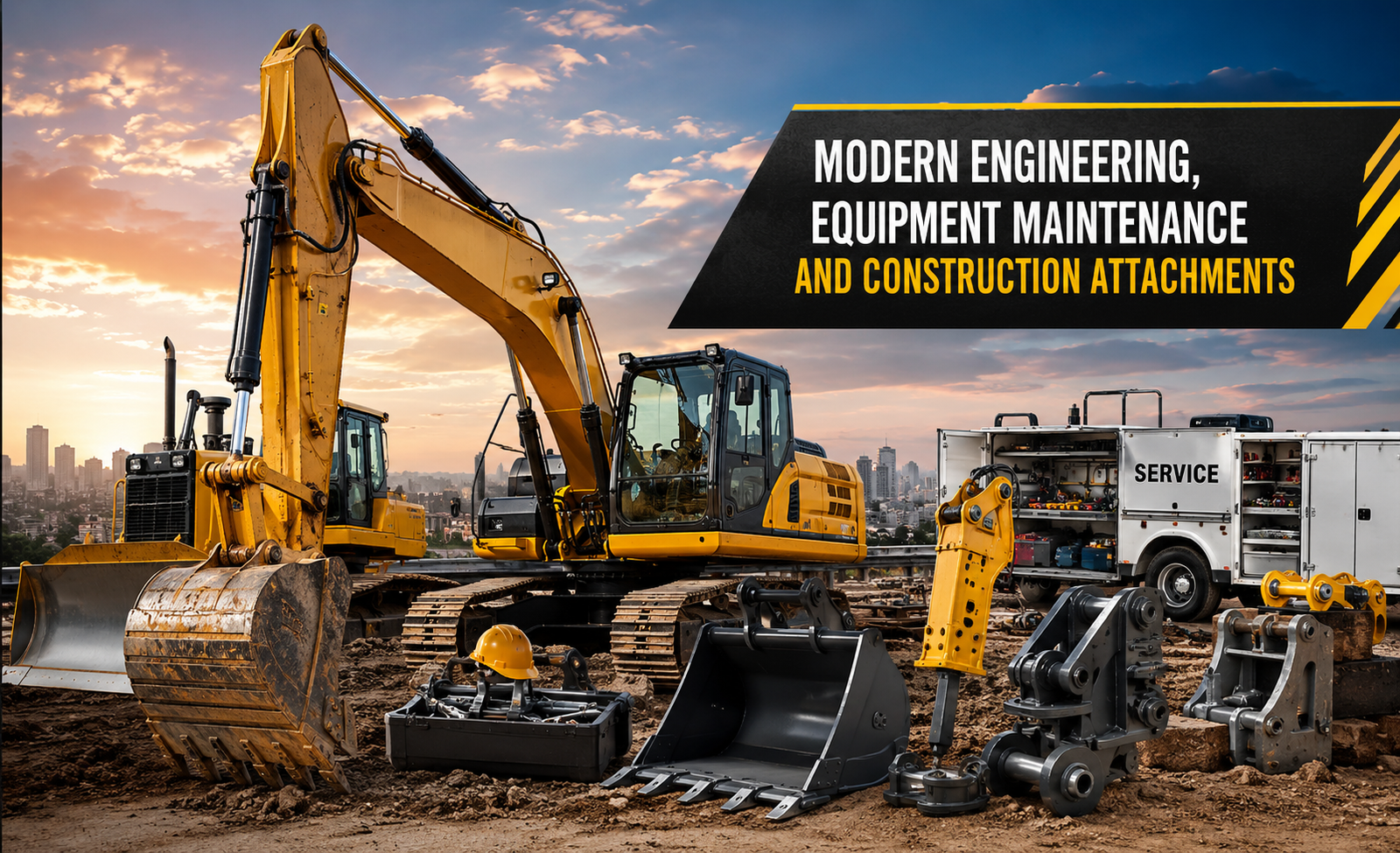
Modern industry depends on reliable technology, precision engineering and well-maintained equipment. From manufacturing components with highly accurate holes to keeping cleaning machinery operational and improving the versatility of construction equipment, specialist products and processes can provide practical advantages.
Choosing the right technology is important, but so is understanding how it fits into the wider operation. Businesses can often improve efficiency by selecting suitable equipment, maintaining existing machinery and using attachments that allow individual machines to perform a wider range of tasks.
Precision Manufacturing with Laser Technology
Manufacturing processes increasingly require high levels of accuracy. Components may need precise holes, intricate patterns or carefully controlled dimensions, particularly when conventional machining methods would be difficult or inefficient.
Laser drilling uses a focused laser beam to create holes in a range of materials. The process can offer a high degree of precision and may be suitable for applications where small or complex openings are required.
One of the benefits of laser-based manufacturing is the ability to control the process very accurately. Parameters such as beam intensity, duration and positioning can be adjusted according to the material and application. This can help manufacturers achieve consistent results across production runs.
Laser drilling can be used across different industries, although the appropriate technique depends on the material, thickness and required hole characteristics. Before selecting a process, manufacturers should consider factors such as tolerance requirements, production volume and the desired finish.
Maintaining Cleaning Equipment
Precision manufacturing is only one area where specialist equipment can improve productivity. In commercial, industrial and domestic environments, cleaning machinery can also play an important role in maintaining safe and presentable facilities.
Pressure washers and other cleaning machines can experience wear over time, particularly when they are used frequently. Components such as hoses, seals, filters, connectors and other parts may eventually require inspection or replacement.
Using genuine or compatible karcher spares can help extend the working life of suitable cleaning equipment. Replacing a worn component may be considerably more practical than replacing an entire machine, particularly when the main unit remains in good condition.
Regular maintenance can also reduce the likelihood of unexpected breakdowns. Cleaning equipment should be inspected according to the manufacturer’s recommendations, with particular attention paid to components that experience frequent wear.
Before purchasing replacement parts, it is important to identify the exact model and specification of the equipment. Parts can vary between machines, so checking compatibility can prevent delays and unnecessary purchases.
Improving Construction Equipment Versatility
Construction sites often require machinery to perform different tasks. Rather than using separate machines for every attachment, contractors can increase versatility by using systems that allow attachments to be changed efficiently.
A quick hitch coupler can allow compatible excavators and other machinery to connect and release attachments more efficiently. This can save time when switching between buckets, breakers and other implements, although compatibility and safe operation remain essential.
Before selecting a coupler, contractors should consider the machine’s size, hydraulic system and the attachments that need to be used. The coupler must be appropriate for the excavator or other equipment and should be installed and operated according to the manufacturer’s instructions.
Prioritising Safety
Safety should remain a central consideration when working with industrial and construction equipment. Machinery operators should be appropriately trained and understand the equipment they are using.
Attachment systems require particular care because an incorrectly fitted or incompatible implement can create serious hazards. Operators should check connections before use and follow established inspection procedures.
The same principle applies to maintenance work. Cleaning machinery should be isolated appropriately before components are replaced, while manufacturing equipment should be operated by trained personnel familiar with the relevant process.
Improving Efficiency Through Maintenance
Regular maintenance can have a significant effect on operational efficiency. Small issues can become more expensive problems if they are ignored, while worn components can affect performance and increase downtime.
Businesses can benefit from keeping records of servicing, replacement parts and inspections. A planned maintenance programme makes it easier to identify recurring problems and arrange replacement components before a failure interrupts operations.
It is also worth considering the total cost of ownership when selecting equipment. A machine that is slightly more expensive initially may offer better long-term value if it is durable, easy to maintain and supported by readily available replacement parts.
Choosing Appropriate Solutions
Every application has different requirements, so there is rarely a single solution suitable for every business. Laser drilling may provide the precision required for specialist manufacturing, while replacement components can help maintain valuable cleaning equipment. Construction attachments can similarly improve the versatility of machinery when they are properly selected and used.
By considering specifications, compatibility, maintenance requirements and safety before purchasing or installing equipment, businesses can make more informed decisions. Reliable technology is most effective when it is supported by good maintenance practices and appropriate operator training.
From precision manufacturing to construction and commercial cleaning, investing in the right equipment can help organisations improve productivity while reducing unnecessary downtime. Careful planning ensures that each solution delivers practical value throughout its working life.