Installing 35-DS3ChipDUS3 correctly is essential for ensuring stable performance, compatibility, and long-term reliability. Whether you are setting up a new device or replacing an existing component, understanding the installation process can help prevent common errors and reduce downtime.
This detailed guide explains everything you need to know about install 35-DS3ChipDUS3, including system requirements, preparation, installation steps, troubleshooting tips, maintenance, and frequently asked questions. By following these instructions carefully, you can complete the installation safely and efficiently.
What Is 35-DS3ChipDUS3?
The 35-DS3ChipDUS3 is a specialized hardware or firmware component designed for systems that require stable communication, efficient processing, and reliable performance. Depending on the manufacturer and device model, it may function as a controller chip, embedded module, or programmable component that enhances the overall operation of compatible equipment.
Proper installation ensures that the chip communicates correctly with the motherboard, firmware, or operating system. Incorrect installation, on the other hand, may lead to boot failures, hardware detection issues, or reduced performance.
Although installation methods can vary slightly between systems, the general process remains similar across most supported devices.
Why Proper Installation Matters
Installing the 35-DS3ChipDUS3 correctly offers several important benefits. A properly installed component helps maintain system stability while reducing the risk of unexpected hardware failures.
Some of the biggest advantages include:
- Better hardware compatibility
- Improved processing efficiency
- Stable communication between connected components
- Reduced installation errors
- Longer component lifespan
- Easier future maintenance and upgrades
Taking a few extra minutes during installation can save hours of troubleshooting later.
System Requirements Before Installing 35-DS3ChipDUS3
Before beginning the installation, verify that your system meets the necessary requirements.
Compatible Hardware
Your device should include:
- A compatible motherboard or controller
- Available installation slot or interface
- Supported firmware version
- Reliable power supply
- Proper cooling system
Using unsupported hardware may prevent the chip from functioning correctly.
Required Tools
Prepare all necessary tools before opening your device.
Recommended tools include:
- Precision screwdriver set
- Anti-static wrist strap
- Soft microfiber cloth
- Thermal paste (if required)
- Plastic pry tool
- Flashlight for better visibility
Having everything ready helps make the installation process smoother.
Backup Important Data
Although installing 35-DS3ChipDUS3 primarily involves hardware, it is always recommended to back up important files before making changes to your system.
Create backups of:
- Personal files
- Configuration settings
- BIOS profiles
- Firmware backups
- Device drivers
A recent backup provides peace of mind if something unexpected happens during installation.
Safety Precautions
Before opening your device, always follow proper safety procedures.
Turn Off the Power
Completely power down the device before beginning.
Disconnect:
- Power cable
- Battery (if removable)
- External accessories
- USB devices
- Network cables
This minimizes electrical risks during installation.
Prevent Static Electricity
Static electricity is one of the most common causes of electronic component damage.
To avoid static discharge:
- Wear an anti-static wrist strap
- Work on a clean surface
- Avoid carpeted floors
- Handle the chip only by its edges
- Never touch electrical contacts
Even a small static discharge can permanently damage sensitive electronics.
Step-by-Step Guide to Install 35-DS3ChipDUS3
Step 1: Open the Device
Carefully remove the device cover using the appropriate screwdriver.
Place removed screws in a small container to avoid losing them.
Avoid forcing panels open, as hidden clips or screws may still be attached.
Step 2: Locate the Installation Area
Find the slot or socket intended for the 35-DS3ChipDUS3.
Consult your hardware documentation if necessary.
Inspect the connector for:
- Dust
- Bent pins
- Damage
- Debris
Cleaning the area before installation helps improve contact quality.
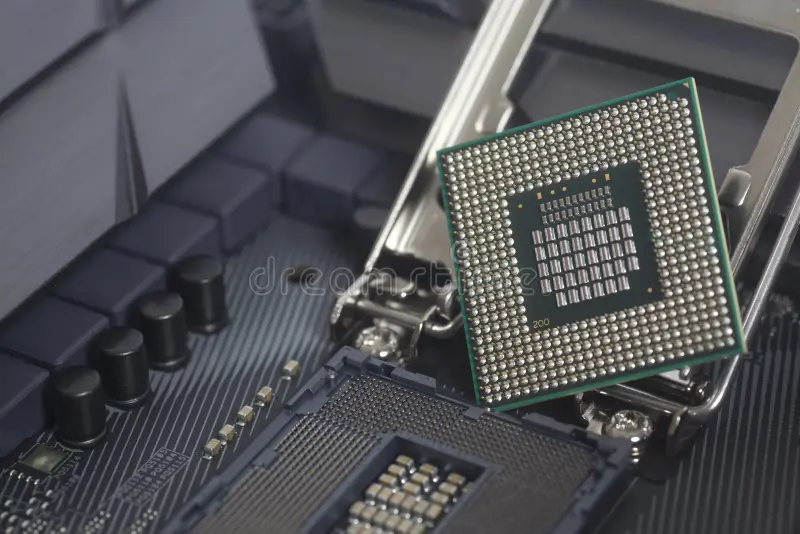
Step 3: Align the Chip
Every chip includes alignment markers.
Look for:
- Corner indicators
- Alignment notches
- Pin orientation
- Manufacturer markings
Never attempt to install the chip backwards.
Proper alignment prevents physical damage to both the component and connector.
Step 4: Install the Chip
Carefully position the 35-DS3ChipDUS3 over the socket.
Apply gentle, even pressure until it is fully seated.
Do not force the component into place.
If resistance occurs, remove it and verify the alignment before trying again.
Step 5: Secure the Component
Some systems require additional securing mechanisms.
Depending on your hardware, this may involve:
- Locking clips
- Retention brackets
- Mounting screws
- Protective covers
Ensure the component does not move after installation.
Step 6: Reassemble the Device
Replace all covers and reinstall the screws.
Double-check that:
- No cables are trapped
- All connectors remain attached
- Cooling fans spin freely
- Components remain securely seated
Proper reassembly helps maintain airflow and device protection.
Step 7: Power On the System
Reconnect the power source and start the device.
Observe the startup process carefully.
A successful installation usually results in:
- Normal boot sequence
- No unusual sounds
- Hardware recognition
- Stable operation
If the device fails to start, power it off immediately and inspect the installation.
Installing Drivers or Firmware
Some versions of 35-DS3ChipDUS3 require software support after hardware installation.
This may include:
- Firmware updates
- Device drivers
- Configuration utilities
- System management software
Always install software from trusted sources provided by the hardware manufacturer.
Restart the system after completing the installation.
Verify Successful Installation
After installation, confirm that the system recognizes the component correctly.
You can verify this by checking:
- BIOS detection
- Device Manager
- Hardware monitoring software
- Diagnostic utilities
- System information tools
If the chip appears correctly, the installation was successful.
Common Installation Problems
Even experienced users occasionally encounter installation issues.
Below are the most common problems.
System Does Not Boot
Possible causes include:
- Incorrect chip orientation
- Loose installation
- Unsupported motherboard
- Firmware incompatibility
Reinstall the chip carefully after verifying compatibility.
Device Not Detected
Sometimes the operating system cannot detect the component.
Possible reasons include:
- Missing drivers
- Outdated firmware
- Poor socket connection
- Hardware incompatibility
Updating software often resolves this issue.
Random Crashes
Unexpected crashes may indicate:
- Improper installation
- Power instability
- Overheating
- Firmware conflicts
Run hardware diagnostics to identify the source of the problem.
Overheating
High temperatures reduce component lifespan.
Check for:
- Dust buildup
- Blocked airflow
- Faulty cooling fans
- Missing thermal material
Maintaining proper airflow significantly improves reliability.
Maintenance Tips After Installing 35-DS3ChipDUS3
Regular maintenance helps preserve performance.
Recommended practices include:
- Clean dust every few months.
- Keep firmware updated.
- Monitor operating temperatures.
- Check hardware connections periodically.
- Avoid excessive overclocking.
- Use a stable power supply.
Preventive maintenance reduces the likelihood of future failures.
Best Practices for Long-Term Performance
To maximize the lifespan of your 35-DS3ChipDUS3, follow these recommendations.
- Install only compatible components.
- Keep your operating system updated.
- Perform routine hardware inspections.
- Use quality cooling solutions.
- Shut down the system properly.
- Avoid sudden power interruptions.
- Protect the system from moisture and dust.
These simple habits contribute to consistent and reliable performance.
When Should You Replace 35-DS3ChipDUS3?
Replacement may become necessary if you experience persistent issues despite proper installation.
Warning signs include:
- Frequent hardware detection failures
- Repeated system crashes
- Physical damage
- Burn marks
- Excessive overheating
- Failure during diagnostics
Replacing a faulty component promptly helps prevent additional hardware damage.
Advantages of Correct Installation
A properly installed 35-DS3ChipDUS3 offers several long-term benefits.
| Benefit | Description |
|---|---|
| Stable Performance | Reduces unexpected crashes and improves reliability. |
| Better Compatibility | Ensures smooth communication with supported hardware. |
| Improved Efficiency | Optimizes processing and hardware performance. |
| Lower Maintenance | Minimizes troubleshooting and repair needs. |
| Longer Lifespan | Reduces wear caused by incorrect installation. |
Installation Checklist
Before considering the installation complete, verify each item below.
| Checklist Item | Status |
|---|---|
| System powered off | ✓ |
| Static protection used | ✓ |
| Chip aligned correctly | ✓ |
| Component securely installed | ✓ |
| Device reassembled | ✓ |
| Drivers installed | ✓ |
| Firmware updated | ✓ |
| Hardware detected | ✓ |
| System tested successfully | ✓ |
FAQs
Q 1: What is 35-DS3ChipDUS3?
35-DS3ChipDUS3 is a hardware or firmware component used in compatible systems to improve performance, stability, and communication between system components. Proper installation is essential for reliable operation.
Q 2: How do I know if the 35-DS3ChipDUS3 installation was successful?
After installation, check your BIOS or operating system to confirm the component is detected. If the system boots normally without errors and the device appears in hardware settings, the installation was successful.
Q 3: What should I do if 35-DS3ChipDUS3 is not detected?
First, power off the device and ensure the chip is properly seated in its socket. Then update the required drivers or firmware and verify that your hardware is compatible with the 35-DS3ChipDUS3.
Conclusion
Installing 35-DS3ChipDUS3 is a straightforward process when approached carefully and methodically. Proper preparation, correct alignment, and following recommended safety precautions greatly reduce the chance of installation errors. Once installed, verifying hardware recognition, updating any necessary firmware or drivers, and performing regular maintenance will help ensure dependable operation over the long term.
Whether you are upgrading an existing system or installing a new component, taking the time to follow best practices can improve performance, increase hardware reliability, and extend the life of your equipment. By using the steps and maintenance tips outlined in this guide, you can complete the install 35-DS3ChipDUS3 process with confidence while minimizing common problems and ensuring your system remains stable for years to come.