
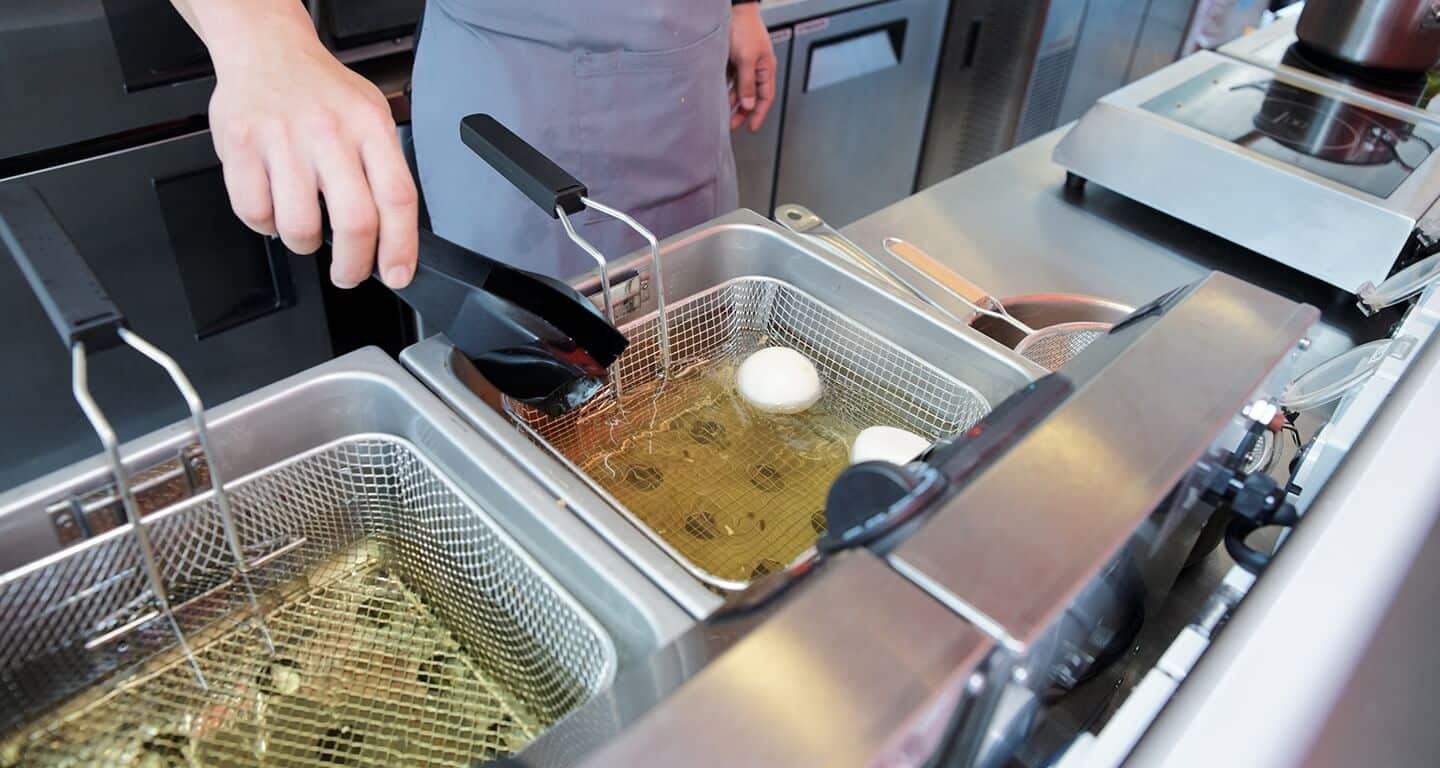
Commercial fryers are among the hardest-working pieces of equipment in any professional kitchen. Whether they are used for fries, chicken, seafood, appetizers, or breaded vegetables, fryers directly affect speed of service, food consistency, energy use, and profit margins. Yet in many restaurants, fryer management is treated as a routine task rather than a controlled operating system. The result is often wasted oil, uneven cooking, excessive downtime, safety risks, and food that does not meet the same standard from one shift to the next.
Efficient fryer management starts with understanding that a fryer is not just a cooking appliance. It is a production asset. When managed properly, it helps maintain quality, reduce costs, protect staff, and improve customer satisfaction. When neglected, it quickly becomes a source of avoidable expense.
One of the most important factors in running commercial fryers efficiently is temperature control. Frying at the correct temperature allows food to cook quickly, develop the right texture, and absorb less oil. If the oil is too cool, food becomes greasy, pale, and slow to finish. If it is too hot, the exterior burns before the inside is properly cooked, and the oil breaks down faster. Most commercial frying is done within a controlled range, often around 325°F to 375°F depending on the product, but each operation should follow the specifications for its menu items and equipment.
Temperature recovery is just as important as the set temperature. When frozen or wet food is added to the basket, the oil temperature drops. A well-managed kitchen avoids overloading baskets because too much product at once reduces heat recovery, increases cook time, and lowers food quality. Smaller, consistent batches usually produce better results than one oversized batch. This also helps the kitchen maintain predictable service times during peak hours.
Oil quality is another core part of fryer management. Frying oil does not last forever. Heat, crumbs, salt, moisture, and food residue all accelerate degradation. As oil breaks down, it becomes darker, thicker, smokier, and more likely to transfer off-flavors to food. Poor oil quality can make even well-prepared products taste old or heavy. For this reason, restaurants should use a clear oil management routine rather than relying only on visual judgment.
Daily filtration is one of the most effective ways to extend oil life. Removing food particles prevents them from burning and contaminating the oil. Some high-volume kitchens filter oil multiple times per day, especially when frying heavily breaded items. Staff should be trained to filter oil safely, at the right temperature, and according to equipment instructions. Skipping filtration may save a few minutes in the moment, but it usually leads to higher oil costs and inconsistent food quality later.
It is also important to separate products when possible. Frying seafood, chicken, fries, and desserts in the same oil can create flavor transfer and allergen concerns. A dedicated fryer setup improves product quality and helps kitchens manage cross-contact more responsibly. If space or budget limits the number of fryers available, managers should at least define strict cooking sequences and oil-change rules for sensitive products.
Cleanliness around the fryer station has a direct impact on efficiency and safety. Crumbs, batter, grease buildup, and spills create hazards and reduce the performance of the equipment. The fryer exterior, baskets, drain valves, filter systems, and surrounding floors should be cleaned as part of a documented routine. Deep cleaning or boil-out procedures should be scheduled regularly based on volume, menu type, and manufacturer guidance. A fryer that looks clean on the outside may still have carbon buildup inside the tank, which can affect heat transfer and oil condition.
Staff training is often the difference between average fryer performance and excellent fryer performance. Every employee using the fryer should know how to load baskets, shake products, monitor cook times, skim debris, filter oil, identify unsafe oil, and respond to problems. Training should also cover personal protective equipment, burn prevention, proper lifting techniques, and what to do in case of a grease fire. No employee should treat hot oil casually. Commercial fryers operate at temperatures that can cause serious injuries within seconds.
Consistency depends on process discipline. Timers should be used instead of guesswork. Baskets should be loaded to standard levels. Product should be thawed or handled according to food safety requirements. Wet products should be drained before frying to reduce splattering and oil breakdown. Salt and seasoning should be applied away from the fryer whenever possible, because salt falling into the oil accelerates degradation. These small habits add up to better fryer management and lower operating costs over time.
Energy efficiency is another area where restaurants can improve performance. Fryers should not be left at full temperature for long periods when they are not needed. During slower periods, managers may use idle settings if the equipment supports them. Lids can help reduce heat loss when fryers are not actively in use, provided they are used safely and according to manufacturer instructions. Proper maintenance of burners, heating elements, thermostats, and gas connections also helps the fryer operate efficiently.
Preventive maintenance should not be ignored. A fryer that takes too long to heat, struggles to recover temperature, leaks oil, produces excessive smoke, or shows inconsistent thermostat readings should be inspected promptly. Waiting until the fryer fails during a lunch or dinner rush is far more expensive than addressing problems early. A maintenance log can help track cleaning, oil changes, filter service, repairs, and unusual performance issues.
Good fryer management also requires measuring cost. Oil is a major recurring expense, and without tracking usage, it is difficult to know whether the kitchen is improving. Managers should monitor how often oil is filtered, topped up, tested, and replaced. They should also compare oil usage against sales volume and product mix. A kitchen frying large amounts of breaded chicken will naturally use oil differently than one mainly producing fries. The goal is not simply to make oil last as long as possible, but to use it for the right amount of time while preserving food quality and safety.
Food quality should remain the final benchmark. Efficient frying is not only about saving money. It is about serving food that is crisp, properly cooked, appealing, and consistent. Customers notice when fries are limp, chicken is greasy, or fried appetizers taste like old oil. They may not know the cause, but they will judge the restaurant by the result. A well-run fryer station protects the brand as much as it protects the budget.
Managers should create simple standard operating procedures for the fryer station. These procedures may include opening checks, temperature verification, filtration schedule, product-specific cook times, basket load standards, oil testing methods, cleaning duties, and closing tasks. The more clearly these expectations are written, the easier they are to train, audit, and improve. Fryer efficiency should not depend on one experienced employee who “just knows” what to do.
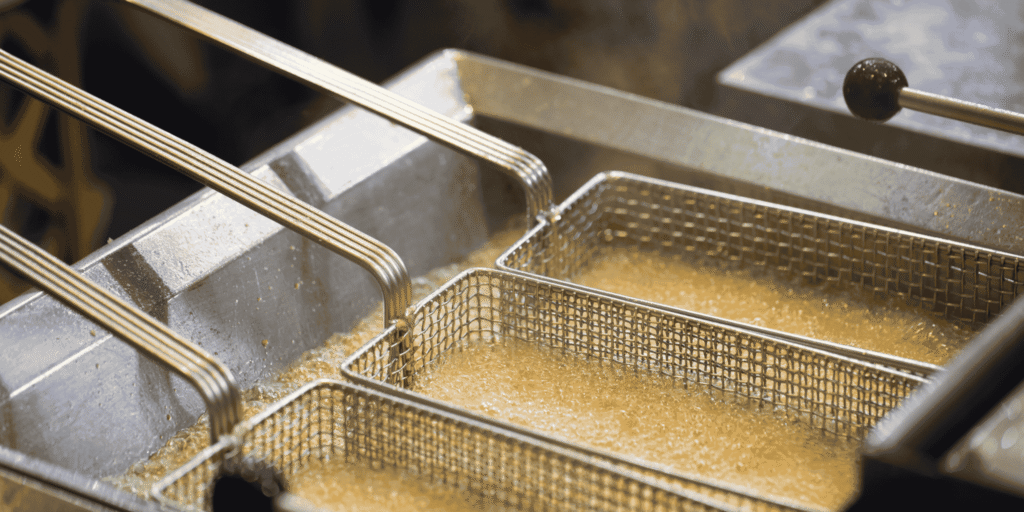
Technology can also support better control. Modern commercial fryers may include programmable cook cycles, automatic filtration, oil quality sensors, energy-saving modes, and digital temperature monitoring. These features are useful, but they do not replace good habits. Technology works best when it supports a disciplined kitchen culture.
Ultimately, fryer management is a combination of equipment care, oil control, staff training, food safety, and operational discipline. Restaurants that manage fryers efficiently reduce waste, improve speed, protect employees, and deliver better fried food with greater consistency. In a competitive foodservice environment, those advantages matter. A fryer may be a common kitchen tool, but when it is managed with attention and expertise, it becomes a reliable driver of quality and profitability.