
Gas leaks are one of the most serious problems a homeowner can face. Even a small leak can quickly become dangerous if it is not detected and repaired in time. Many people do not realise that gas leaks often start from small hidden issues that gradually worsen over time. Understanding what causes these problems and how professionals handle gas leak repair can help homeowners act quickly and protect both their property and their safety.
Why a Gas Leak Is Never Something to Ignore
The reason gas leaks are treated so seriously is simple: the consequences of ignoring one can be severe. Prolonged exposure to leaking gas can cause headaches, dizziness, nausea, and breathing difficulties. In worst-case situations, an undetected leak creates a real risk of fire or explosion.
What makes this particularly tricky is that leaks do not always announce themselves dramatically. Many develop slowly, hidden behind walls, beneath floors, or around appliances that seem to be working perfectly fine. By the time visible signs appear, the problem has often been building for a while. Early detection is everything.
The Most Common Reasons Gas Leaks Happen
Most gas leaks in UK homes come down to a handful of causes, and the majority of them are linked to ageing systems or maintenance that has been put off for too long.
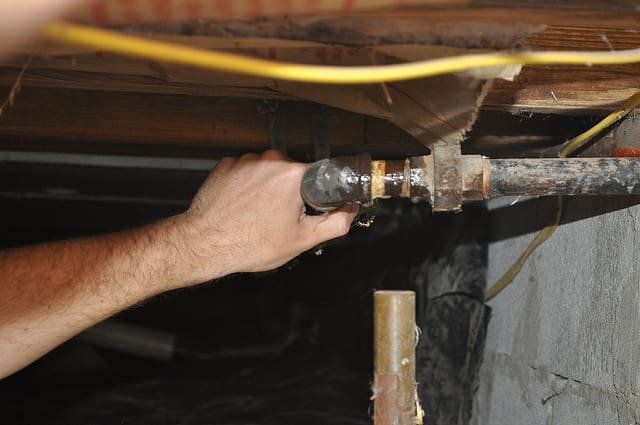
Worn pipe joints, loose connections, and damaged valves are among the most frequent culprits. As pipework gets older, materials naturally degrade and fittings can work themselves loose over time. Accidental damage during renovation work is another common cause, particularly in older properties where pipes may run in unexpected places.
Appliance connections are also worth mentioning. A cooker, boiler, or gas fire that has not been properly installed or has not been serviced in years can develop connection faults that allow gas to escape slowly. Homeowners who rely on trusted companies like 0800 Homefix benefit from experienced professionals who can identify these hidden issues before they become genuinely dangerous.
Warning Signs That Should Stop You in Your Tracks
Knowing what to look for can make a real difference. The most recognisable sign of a gas leak is the smell, often described as similar to rotten eggs. This distinctive odour is added to gas deliberately by suppliers precisely so that leaks can be detected.
Beyond the smell, watch out for a hissing or whistling sound near pipes, appliances, or meter connections. Unexplained physical symptoms like persistent headaches or lightheadedness when at home can also be a red flag, as can dead or dying plants near gas lines without any other obvious cause.
If you notice any of these signs, do not switch any lights on or off, do not use your phone inside the property, open windows and doors, and get everyone out. Then call for professional help immediately.
Why Gas Repairs Should Always Be Left to the Professionals
This is not an area where DIY enthusiasm is helpful. Gas systems require specialist training, the right equipment, and a thorough understanding of safety procedures that only comes with proper professional qualifications.
An untrained person attempting to locate or repair a gas leak creates additional risks on top of the original problem. Professionals know how to approach the system safely, isolate the issue, and carry out repairs without making things worse. The stakes are simply too high to cut corners here.
How Professionals Actually Find Hidden Gas Leaks
Modern gas leak detection has come a long way. Engineers now use advanced tools that can identify pressure changes and detect escaping gas in areas that would have previously required significant disruption to investigate.
This means that in most cases, a qualified engineer can pinpoint the exact source of a leak without tearing apart walls or lifting large sections of flooring. Accurate detection is not just about convenience, it is a fundamental part of carrying out a safe and effective repair.
When Emergency Gas Leak Repair Cannot Wait
Some situations simply cannot wait for a regular appointment. When a leak is actively occurring and poses an immediate threat to the household, emergency gas leak repair services become essential.
A fast professional response stops the leak, secures the system, and removes the immediate danger as quickly as possible. Response time genuinely matters in these situations, and working with a reliable service that takes emergencies seriously can make a significant difference to the outcome.
How Damaged Gas Pipes Are Repaired Safely
Once the source of a leak has been confirmed, engineers carry out the repair using approved methods and materials that meet UK safety standards. Depending on the extent of the damage, this may involve repairing a specific section of pipework or replacing it entirely.
A professional gas pipe leak repair always includes full testing after the work is completed. This is not an optional extra but a necessary step to confirm that the repair has been successful and that the system is safe before it is brought back into use.
The Real Difference Certified Engineers Make
Not everyone who offers to fix a gas leak is qualified to do so. In the UK, engineers working on gas systems must be Gas Safe registered, and homeowners should always check this before allowing anyone to work on their property.
Certified gas leak engineers bring technical knowledge, legal compliance, and the kind of methodical approach that comes from proper training. Knowing that the repair has been carried out correctly and in line with safety regulations is not just reassuring, it is genuinely important for your long-term safety.
How to Reduce the Risk of Future Gas Leaks
While no system is completely immune to problems, regular servicing and inspections go a long way toward preventing leaks from developing in the first place. Older properties in particular benefit from periodic checks of pipework and appliances.
Getting boilers and gas appliances serviced annually, addressing small concerns before they grow, and not delaying repairs when something seems off are all straightforward habits that keep a gas system in safe working order over the long term.
Protect Your Home the Right Way with 0800 Homefix
Gas leaks deserve a fast, professional response every single time. There is no scenario where waiting or attempting a DIY fix is the safer choice. 0800 Homefix gives homeowners access to experienced, Gas Safe professionals who take every job seriously, respond quickly, and deliver repairs that put safety first. Whether you suspect a small leak or need urgent emergency support, reaching out to a trusted team straight away is always the right decision for your home and everyone in it.
Frequently Asked Questions
Q1. What are the most common warning signs of a gas leak at home?
The smell of rotten eggs, hissing sounds near pipes or appliances, and unexplained symptoms like dizziness or headaches are the most common signs. If you notice any of these, leave the property immediately and call for professional help.
Q2. Is it safe to try and fix a gas leak yourself?
No, gas leak repairs should never be attempted without proper qualifications. Only Gas Safe registered engineers have the training and equipment to handle these repairs safely and legally.
Q3. How quickly does a gas leak need to be repaired?
As quickly as possible. Gas leaks are an immediate safety risk and should be treated as an emergency. Do not delay contacting a professional once a leak is suspected.
Q4. Can old or ageing pipes cause a gas leak? Yes, worn joints, degraded seals, and ageing pipework are among the most common causes of gas leaks, particularly in older properties that have not had recent inspections.
Q5. What happens during a professional gas leak repair?
An engineer will locate the source using specialist detection equipment, carry out the repair using approved materials, and then fully test the system before it is returned to use.
Q6. How often should a gas system be inspected to prevent leaks?
Annual servicing of gas appliances is recommended, and older properties may benefit from more frequent inspections of the wider pipework to catch early signs of wear before they develop into a leak.