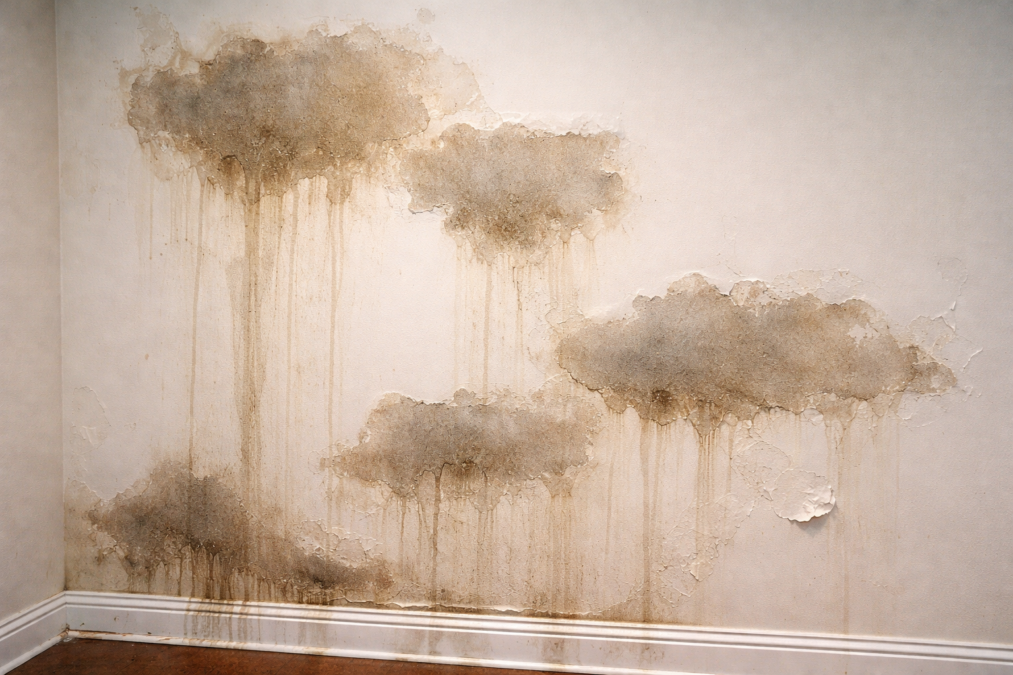

Damp is one of the most common problems affecting homes across the UK. It can creep in quietly, damage walls and furniture, and affect the health of the people living there. While damp can appear at any time of year, February is often a critical month for spotting issues and taking action.
Cold weather, high humidity and limited ventilation combine to make damp problems more visible during late winter. Understanding why February matters can help homeowners protect their property before damage becomes worse.
Why Damp Problems Peak in Winter
During winter, homes are usually shut up tightly to keep the heat in. Windows stay closed. Air circulation drops. At the same time, people are cooking, showering and drying clothes indoors more often.
This creates moisture in the air. When warm, moist air hits cold surfaces like external walls or windows, condensation forms. Over time, this moisture can soak into plaster, paint and timber.
February is often one of the coldest and wettest months of the year in the UK. Rainfall, frost and lingering ground moisture can all contribute to damp problems becoming more noticeable.
The Different Types of Damp to Watch For
Not all damp is the same. Knowing the difference helps ensure the right treatment is used.
Condensation is the most common type. It appears as water droplets on windows, mould on walls, or a musty smell. It is often linked to poor ventilation and high humidity indoors.
Rising damp occurs when moisture from the ground travels up through walls. It usually shows as tide marks, flaking paint or damaged skirting boards.
Penetrating damp comes from outside. It can be caused by leaking gutters, cracked brickwork or damaged roofs. Water enters the building fabric and causes damp patches on internal walls.
February is a key time to identify which type of damp you are dealing with, as symptoms tend to be clearer in colder conditions.
Why February Makes Damp Easier to Spot
In warmer months, damp can dry out on the surface, making it harder to detect. In February, cold temperatures slow evaporation. Moisture stays visible for longer.
Mould growth often increases during winter, especially in bedrooms and bathrooms. Black mould on walls or ceilings is a common sign of condensation problems.
Cold weather also highlights issues with insulation and ventilation. Rooms that feel cold and clammy are often more prone to damp. Addressing these issues early can prevent bigger problems later in the year.
The Risks of Ignoring Damp Until Spring
Many homeowners put off dealing with damp until warmer weather arrives. This can be a costly mistake.
Damp does not stop spreading just because it is cold. Moisture continues to damage plaster, timber and brickwork. Over time, this can weaken the structure of your home.
Mould spores can affect indoor air quality. For people with asthma, allergies or respiratory conditions, damp environments can make symptoms worse. According to information from the NHS, prolonged exposure to damp and mould can have a serious impact on health.
By treating damp in February, you reduce the risk of long-term damage and protect the wellbeing of everyone in the home.
How Damp Affects Heating and Energy Bills
A damp home is harder to heat. Moist air feels colder, and damp walls lose heat faster than dry ones. This means your heating system has to work harder to maintain a comfortable temperature.
In February, when energy use is already high, damp can push heating bills even higher. Treating damp helps improve thermal efficiency and makes your home easier and cheaper to heat.
Dry walls retain heat better. Rooms feel warmer more quickly. Over time, this can make a noticeable difference to energy costs.
Why Early Treatment Saves Money
Dealing with damp early is usually cheaper than waiting. Small problems are easier to fix than widespread damage.
For example, improving ventilation or repairing a minor leak can prevent major repairs later. If rising damp is left untreated, it can lead to rotten skirting boards, damaged flooring and expensive plaster replacement.
February is an ideal time to assess the condition of your home and plan for London property preservation and any necessary work before damp takes over and damages spring and summer renovations.
Professional Damp Surveys in Winter
Winter is one of the best times to carry out a damp survey. Surveyors can see active moisture problems clearly, rather than relying on historical signs.
A professional inspection helps identify the source of damp and recommend the right solution. This might include damp proofing, ventilation improvements, repairs to external walls, or changes to how moisture is managed indoors.
Understanding the cause is crucial. Treating symptoms without addressing the source rarely works in the long term.
Ventilation and Moisture Control During February
Simple changes can help reduce condensation during winter. Opening windows briefly each day allows moist air to escape. Using extractor fans in kitchens and bathrooms is also important.
Drying clothes indoors adds a lot of moisture to the air. If possible, use a vented tumble dryer or dry clothes in a well-ventilated room.
Keeping a steady, moderate level of heating helps reduce cold surfaces where condensation forms. Sudden temperature changes can make damp worse.
Guidance from organisations like the UK government housing advice pages highlights the importance of ventilation and moisture control in preventing damp.
Preparing Your Home for Spring
Treating damp in February sets your home up for the rest of the year. Once moisture levels are under control, repairs such as repainting or redecorating are more likely to last.
Spring and summer are often busy periods for building and maintenance work. Identifying and addressing damp early helps you plan ahead and avoid delays.
A dry home is also easier to maintain. Timber lasts longer. Walls stay cleaner. The overall condition of the property improves.
Damp Prevention Is Ongoing
While February is a key time to treat damp, prevention is an ongoing process. Regular checks, good ventilation and prompt repairs all help keep moisture under control.
Clearing gutters, checking roof tiles and ensuring external walls are in good condition reduce the risk of penetrating damp. Inside the home, managing humidity is just as important.
Professional advice can help homeowners understand what their property needs, especially in older buildings that are more prone to damp issues.
Final Thoughts
February is one of the most important times of year to tackle damp in your home. Cold temperatures, high moisture levels and reduced ventilation make problems more visible and easier to diagnose.
By acting early, homeowners can prevent damage, protect their health and reduce future repair costs. Damp rarely fixes itself, but with the right treatment and advice, it can be managed effectively.
If you suspect damp in your home, winter is not the time to wait. February offers a clear opportunity to identify issues and take action for a healthier, drier living space.