
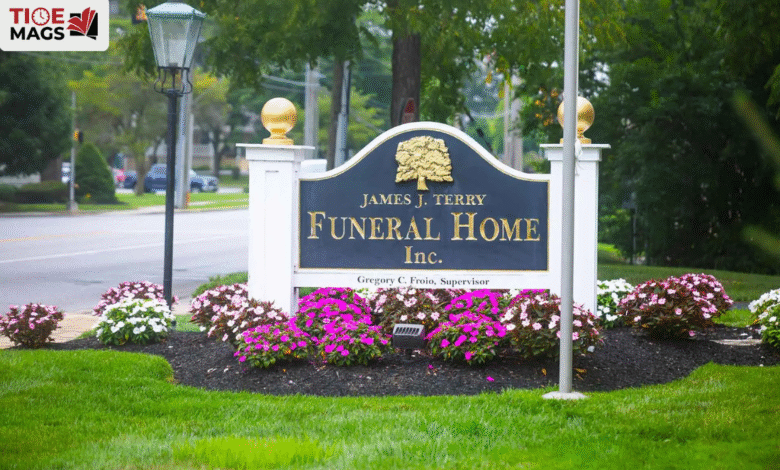
Choosing a funeral homes service is one of the hardest tasks families face, often during moments of deep grief and emotional stress. Yet understanding how funeral homes work, what services they offer, and what decisions need to be made can bring clarity and comfort at a difficult time. This complete guide explains, in clear and simple language, everything you need to know about funeral homes from planning and costs to burial, cremation, and memorial services.
By the end of this article, you will understand how funeral homes support families, what happens behind the scenes, how to plan a service step by step, and how to make informed choices that respect your loved one’s wishes. This guide is written to be easy to read, practical, and trustworthy, following modern funeral practices in the UK while reflecting how the funeral industry works globally.

What Are Funeral Homes and What Do They Do?
Funeral homes are professional service providers that help families care for the deceased and organise funeral arrangements. Their main role is to guide families through legal, emotional, and practical steps after a death.
Funeral homes manage tasks such as body preparation, embalming when required, arranging visitations, organising memorial services, and coordinating with cemeteries or crematories. They also help families handle legal paperwork, permits, and communication with local authorities.
Most funeral homes operate private facilities that include a funeral home chapel, visitation areas, gathering rooms, and preparation spaces. Their staff are trained to support surviving family members with care, respect, and discretion.
Types of Funeral Services Offered by Funeral Homes
Funeral homes offer many types of services to suit cultural, religious, and personal preferences. Families can choose a traditional service or a simpler option depending on needs and budget.
Common funeral service options include:
- Funeral service held at a place of worship or funeral home chapel
- Memorial services without the body present
- Graveside service at the cemetery
- Committal service marking the final placement
- Visitation or viewing for friends and family
- Open casket service or closed casket service
Each service can be personalised with music, readings, photographs, and tributes.
Burial Services Explained: Traditional and Immediate Options
Burial services remain a common choice. Funeral homes coordinate burial arrangements and cemetery arrangements to ensure everything runs smoothly.
Burial options include:
- Traditional burial with viewing and service
- Immediate burial without a formal ceremony
- Direct burial where the body is buried shortly after death
Funeral homes also help with coffin selection, cemetery plots, and burial in another locality if the family wishes to move the body elsewhere.
Cremation Services and How They Work
Cremation has grown in popularity due to flexibility and lower costs. Funeral homes provide cremation services through licensed crematories.
Cremation options include:
- Direct cremation with no service
- Cremation with memorial services
- Cremation followed by burial of ashes
Funeral homes handle shipment preparation, airtray or mac pac arrangements if the body must be transported, and return of ashes to the family.
Body Preparation: What Happens Behind the Scenes
Body preparation is an important but often misunderstood part of funeral home operations. Trained professionals prepare the body with dignity and care.
Preparation may include:
- Embalming to slow decomposition
- Preservation using preservative chemicals
- Blood removal and care of internal organs
- Restorative techniques to restore facial features
- Cosmetics for natural appearance
Embalming is not always required, especially for direct cremation or immediate burial.
Funeral Planning Step by Step
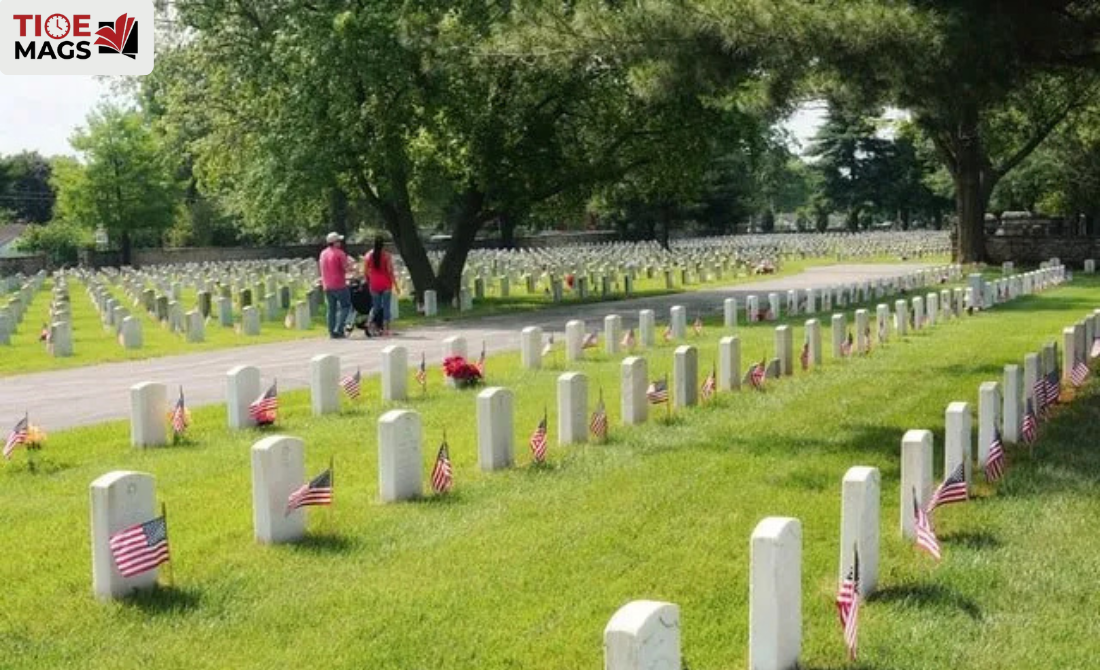
Funeral planning can feel overwhelming, but funeral homes guide families through each step.
Key steps in funeral planning:
- Confirm death and transport the body
- Meet the funeral director
- Choose burial or cremation
- Select services and visitation options
- Complete legal paperwork and permits
- Arrange cemetery or crematory details
- Notify family and friends
The executor or next of kin usually makes final decisions, always keeping the wishes of the deceased in mind.
Legal Paperwork, Permits, and Family Roles
Funeral homes assist with important legal matters to reduce stress on families.
They help obtain death certificates, burial or cremation permits, and coordinate with local authorities. The surviving family, executor, or next of kin is responsible for approving arrangements and signing documents.
This support ensures the funeral process follows the law and avoids future legal issues.
Prearrangement and Funeral Preplanning Options
Funeral preplanning allows individuals to arrange services in advance. Many funeral homes offer prearrangement options to lock in preferences and reduce the burden on family members.
Benefits of funeral preplanning:
- Clear personal wishes
- Reduced emotional stress
- Cost control and transparency
- Flexible payment plans
Preplanning is increasingly popular and reflects modern funeral planning trends.
Funeral Home Facilities and Modern Services
Modern funeral home facilities are designed for comfort and flexibility.
Common facilities include:
- Funeral home chapel
- Visitation areas
- Gathering spaces for families
- Memorial websites and online obituaries
Many funeral homes now offer digital memorials, livestreamed services, and online tribute pages, reflecting changes in how families remember loved ones.
Costs of Funeral Homes: What Influences the Price?
Funeral home costs are different in every country and depend on the type of service chosen. In the United Kingdom, a simple funeral usually costs between £2,500 and £4,500, while a full traditional service can reach £6,000 or more. In the United States, prices are higher, with basic services starting around $3,000 and full funerals often costing $7,000–$10,000. In Canada, average costs range from CAD 4,000 to CAD 8,000. In Australia, funerals typically cost AUD 4,000 to AUD 7,500.
Funeral Homes vs Mortuaries: What’s the Difference?
The terms are often used interchangeably, but there are differences.
| Feature | Funeral Homes | Mortuaries |
|---|---|---|
| Public services | Yes | Limited |
| Planning support | Full | Minimal |
| Viewing areas | Yes | Rare |
| Family guidance | High | Low |
Funeral homes focus on family care, while mortuaries mainly handle body storage.
History and Evolution of Funeral Homes
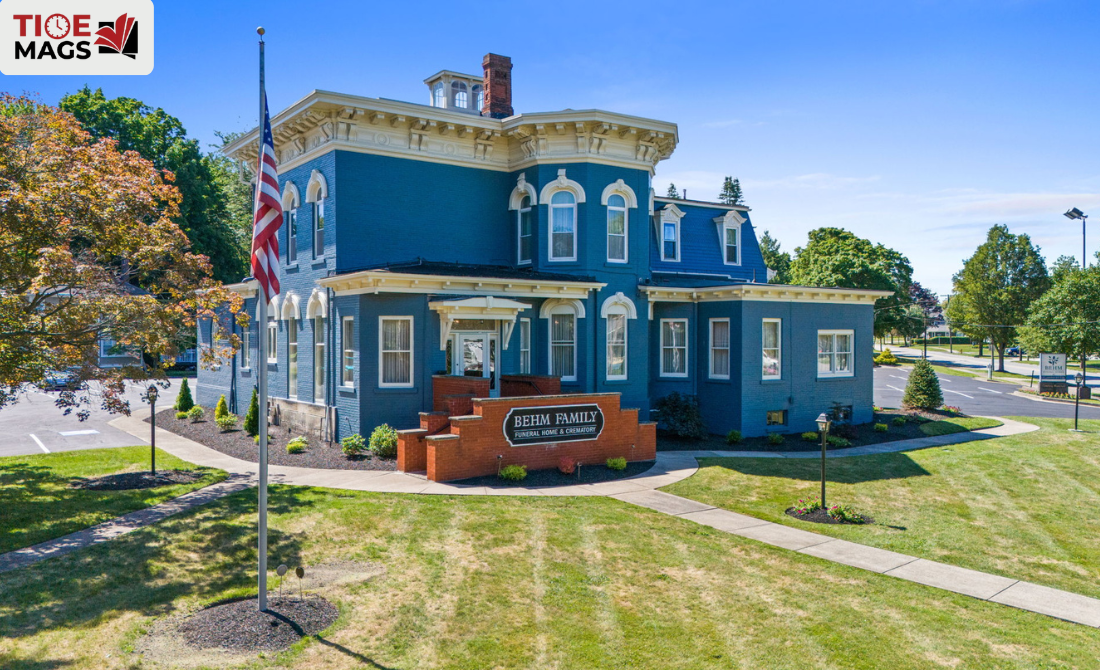
Funeral practices date back thousands of years. Ancient Egyptian preservation methods laid the foundation for modern embalming.
Over time, funeral homes evolved from family-run businesses to part of the global funeral industry. Today, some are owned by multinational corporations, while many remain independent.
Advances in science of preservation, changing beliefs, and legal regulations continue to shape funeral home operations.
Myths vs Facts About Funeral Homes
Myth: Embalming is always required
Fact: It is optional in many cases
Myth: Funeral homes force expensive services
Fact: Families choose what fits their needs
Myth: Cremation means no memorial
Fact: Memorial services are still common
Understanding facts helps families feel confident and informed.
Conclusion
Funeral homes play a vital role in helping families honour loved ones with dignity, care, and respect. By understanding funeral services, planning options, costs, and modern practices, families can make informed decisions during a challenging time.
Whether choosing burial or cremation, immediate services or memorial gatherings, funeral homes provide guidance every step of the way. Thoughtful planning—either in advance or at the time of need—ensures peace of mind, clarity, and a meaningful farewell that truly reflects a life lived.
