
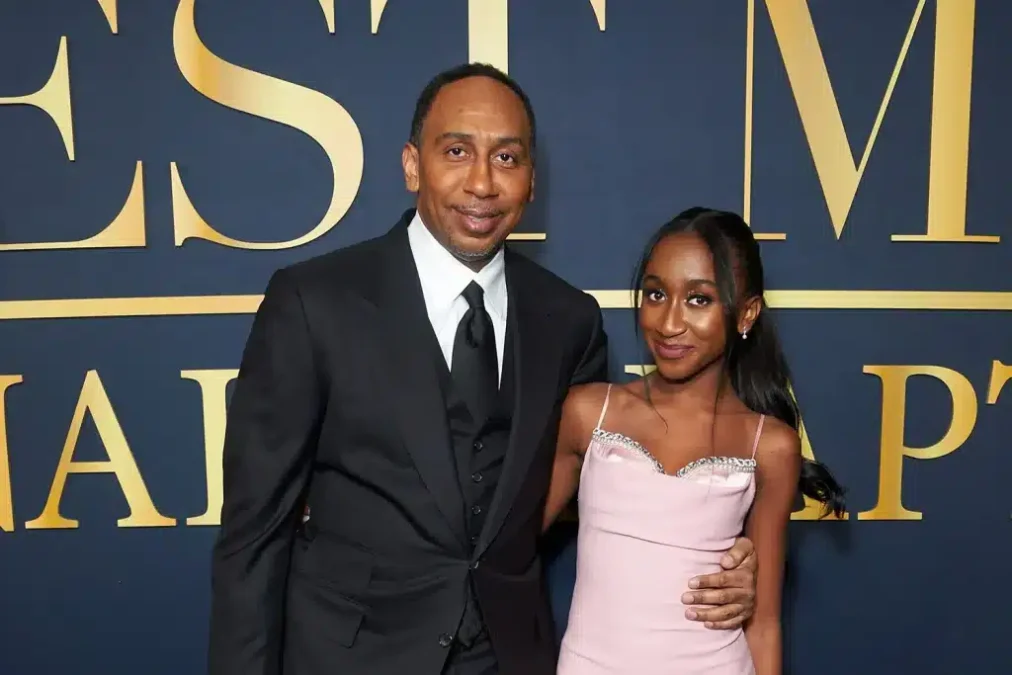

Recently, a shocking rumor spread across social media, claiming that the well-known sports commentator Stephen A. Smith had lost his daughter. The rumor stirred up widespread concern and sympathy from fans and the media alike. However, after careful investigation, it’s clear that the story is false. In this article, we’ll break down the facts, explain how the rumor spread, and discuss the impact on Stephen A. Smith, his family, and his fans.
The Rumor: What Was Said?
The rumor that Stephen a Smith daughter passed away began circulating on social media, particularly on platforms like Twitter and Facebook. The posts claimed that Smith, known for his loud and passionate sports commentary, had tragically lost one of his daughters. These rumors spread like wildfire, with many fans and followers expressing their shock and condolences.
The claims were mostly unverified, and there was no official source backing up the assertion. Nonetheless, people began to share these posts widely, which only contributed to the confusion. In the digital age, such emotional stories can quickly gather momentum, even without any factual basis.
The Facts: What Really Happened?
In reality, Stephen A. Smith has two daughters, Samantha and Nyla, both of whom are alive and well. There is no credible evidence to support the claim that either of his daughters passed away. No official statement from Stephen A. Smith, his family, or any trusted media outlet has confirmed this rumor.
Stephen has been an open and public figure, often sharing insights into his life, including his role as a father. His fans are familiar with his emotional connection to his daughters. Despite this, the claim of a family tragedy is simply untrue.
How the Rumor Spread
There are several reasons why this rumor spread so quickly:
1. Emotional Impact: The rumor played on the emotions of many people, especially fans of Stephen A. Smith. Losing a child is one of the most heart-wrenching experiences, and the idea of such a loss in a public figure’s life triggers immediate sympathy. People are more likely to share such news out of concern, which leads to viral spreading.
2. Lack of Verification: In today’s fast-paced world, news spreads quickly, but verification often takes a backseat. When the rumor first emerged, it was shared by various social media users without any reliable source to back it up. As a result, many people believed the claim, even though it was baseless.
3. Celebrity Status: Stephen A. Smith is a prominent media personality, and when news involves such a figure, it automatically attracts attention. People feel a sense of connection to celebrities, which makes them more susceptible to believing stories that involve their personal lives, especially if the news is tragic.
4. Algorithmic Amplification: Social media platforms, such as Twitter and Facebook, often amplify posts that receive high engagement. Tragic or shocking stories tend to get more attention, which in turn boosts their visibility on the platform. This means that even unverified claims can go viral before they are fact-checked.
The Impact of the Rumor

Although the rumor was false, it had significant consequences for both Stephen A. Smith and his fans:
1. Emotional Stress for the Family: Even if the story wasn’t true, the rumor still likely caused distress to Stephen A. Smith and his family. False claims about a family tragedy can be emotionally taxing, especially when there is no way to control the narrative.
2. Disturbing Fans and Followers: Fans who heard the news were understandably upset, some of whom may have even shared the posts, believing them to be true. Such rumors can create unnecessary panic and stress for a celebrity’s fanbase, who care deeply about their well-being.
3. Damage to Reputation: Rumors like this can tarnish a public figure’s reputation, even if they are false. As people continue to engage with the story, it can create lasting impressions, making it difficult for the celebrity to fully escape the controversy.
The Response to the Rumor
As of now, Stephen A. Smith has not issued a public statement directly addressing the rumor about his daughter’s death. However, his history of openness about his family life suggests that he will likely choose to address the matter in his own time, if necessary.
Fans and the public should remain cautious about the claims they encounter online. As is often the case with celebrity rumors, it’s important to wait for official statements before jumping to conclusions.
What Does This Incident Teach Us?
The spread of this false rumor serves as a stark reminder of how misinformation can spread quickly in the digital age. The situation highlights several important points:
1. The Speed of Misinformation: Rumors can travel much faster than the truth, especially when they tap into emotions and trigger strong reactions. This case is a prime example of how easily unverified stories can go viral.
2. The Need for Verification: Before sharing news, especially something as significant as the death of a loved one, it’s essential to check for credible sources. Relying on trustworthy outlets and confirming facts can help prevent the spread of false information.
3. Emotional Manipulation: The claim about Stephen A. Smith’s daughter was particularly effective because it preyed on people’s emotions. It’s a reminder of the power of emotional appeal in media and how it can be used to manipulate public sentiment.
4. The Responsibility of Social Media: Social media platforms have a responsibility to ensure that the information circulating on their networks is accurate. While platforms have made strides in combating misinformation, the speed at which content spreads means that fact-checking often lags behind the viral spread of false claims.
What Should You Do When Faced with Similar Rumors?

If you encounter a similar situation where you come across rumors about a celebrity or public figure, here are a few steps you should take:
1. Verify the Information: Check reliable news sources, look for official statements, and avoid relying solely on social media posts.
2. Don’t Share Unverified Claims: If you are unsure about the veracity of the information, refrain from spreading it. Sharing false information can cause unnecessary harm to the people involved.
3. Look for Reputable Fact-Checkers: Many organizations specialize in debunking rumors and misinformation. Fact-checking websites can help provide clarity on whether a claim is true or false.
4. Be Mindful of Emotional Reactions: While it’s natural to feel sympathy for someone who appears to be going through a difficult time, try to approach such news with a level head, especially when it comes to rumors that have not been confirmed.
Conclusion
the rumor about Stephen A. Smith’s daughter’s death is a powerful reminder of the speed and reach of misinformation. While it is true that such stories can generate a lot of emotional engagement, it’s essential to approach sensational claims with skepticism until they are verified.
For Stephen A. Smith and his family, the most important thing is that they are not dealing with the tragedy that social media had falsely reported. We should all take a moment to reflect on the responsibility we share in curbing the spread of misinformation and ensuring that we only share stories that are grounded in truth.