
Finding the most comfortable heels no longer means compromising on style. In 2026, women are demanding footwear that looks elegant and feels supportive enough to wear all day—whether at work, weddings, or long social events. The good news? Shoe designers are finally listening.
If you’ve ever kicked off your heels halfway through the day, this guide is for you. We’ve analysed comfort-focused trends, podiatrist insights, real user reviews, and overlooked design details to help you choose heels that truly work for your feet. From cushioned insoles and arch support to heel height science and innovative materials, this article goes beyond surface-level recommendations.
This isn’t about fashion hype. It’s about pain-free confidence, healthier posture, and shoes you’ll actually want to wear again. By the end of this guide, you’ll know exactly what makes heels comfortable, which styles outperform others, and how to choose the right pair for your lifestyle.
Why Comfort Matters More Than Ever in Heels
Modern lifestyles demand footwear that can keep up. Many women now spend 8–10 hours on their feet, and poorly designed heels contribute to foot pain, knee strain, and even lower back issues. According to podiatry studies, shoes with inadequate support are one of the leading causes of chronic foot discomfort among women.
Comfortable heels distribute weight evenly, reduce pressure on the ball of the foot, and support natural alignment. This isn’t just about comfort—it’s about long-term foot health. Brands that prioritise ergonomics are now outperforming traditional fashion-only designs, proving that comfort sells.
In 2026, comfort is no longer a luxury. It’s an expectation.
What Makes the Most Comfortable Heels? (Features Explained)
Not all heels are created equal. True comfort comes from a combination of smart design elements working together.
features to look for include:
- Cushioned insoles with memory foam or gel padding
- Arch support that matches your foot type
- Heel height between 5–7 cm for optimal balance
- Wide or stable heel base to reduce pressure
- Soft, breathable materials such as leather or stretch fabric
Many uncomfortable heels fail because they focus on height rather than structure. Comfort-first heels prioritise anatomy, not aesthetics alone.
Best Heel Types for All-Day Comfort
Different heel styles suit different needs. Choosing the right type can make a dramatic difference.
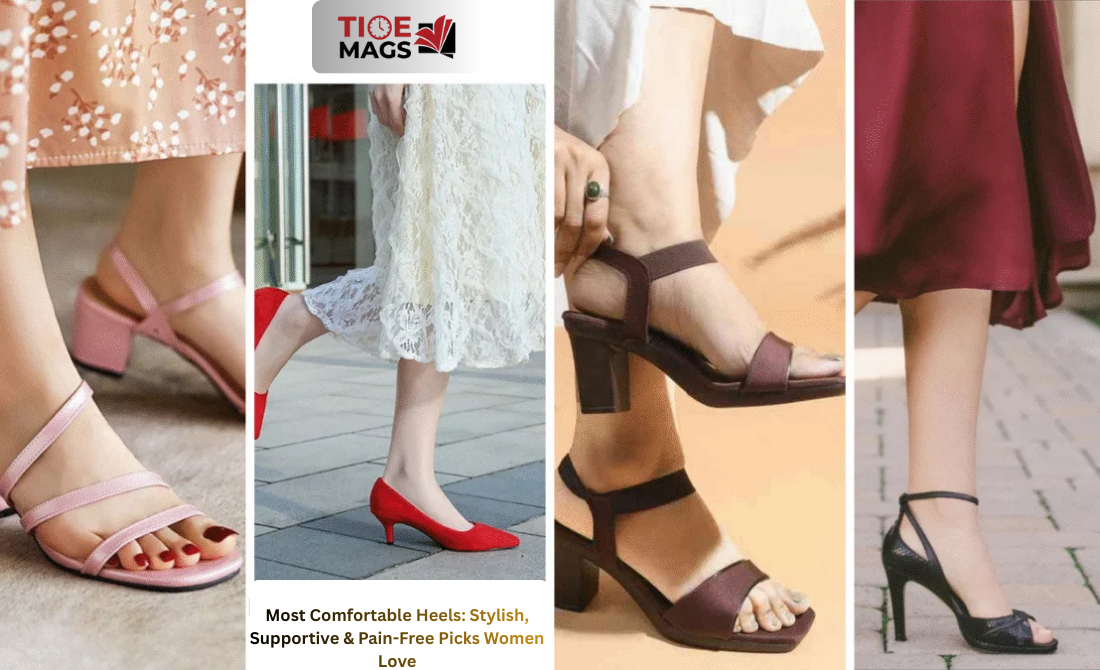
Most comfortable heel styles include:
- Block heels – Excellent stability and weight distribution
- Wedge heels – Continuous sole reduces foot strain
- Kitten heels – Lower height with elegant appeal
- Platform heels – Reduce the effective heel angle
Stilettos may look stunning, but for extended wear, wider bases and supportive soles consistently outperform them in comfort tests.
How Heel Height Impacts Comfort and Posture
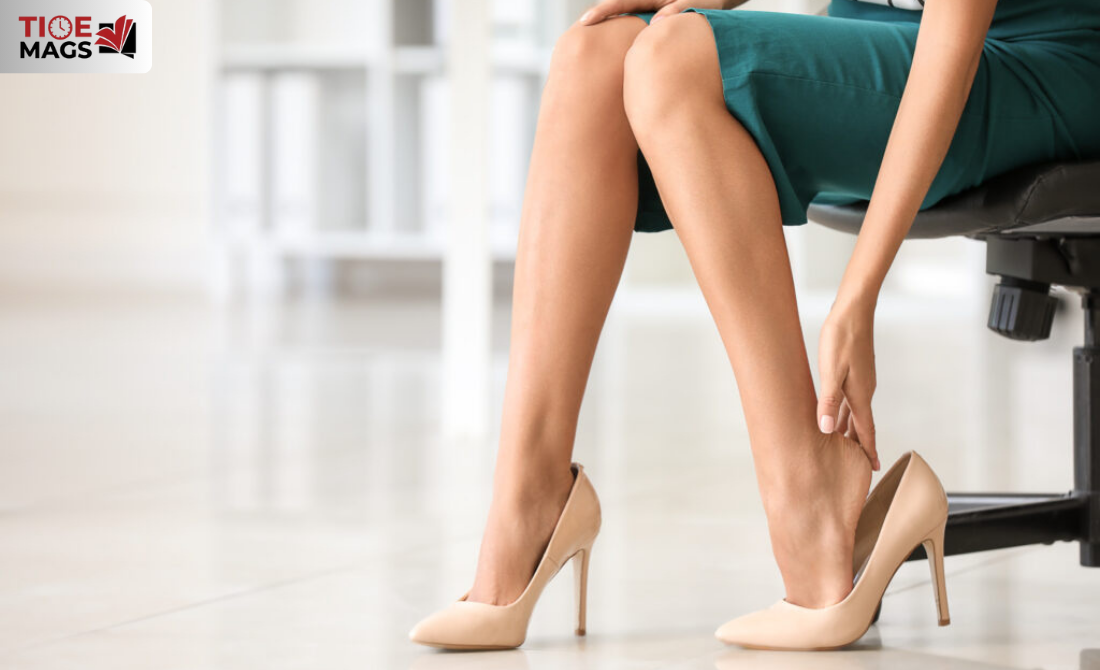
Heel height is one of the most misunderstood factors. Higher isn’t always worse but only when engineered correctly.
Research suggests that heels above 8 cm significantly increase forefoot pressure. However, a 6 cm heel with proper cushioning can feel more comfortable than a flat shoe with no support. The goal is balance.
For most women, the “sweet spot” for the most comfortable heels lies between 5–7 cm, offering elevation without excessive strain.
Materials That Make a Real Difference
Materials are often overlooked, yet they directly affect comfort, breathability, and durability.
Best materials for comfortable heels:
- Genuine leather – Moulds to your foot over time
- Suede – Softer and more forgiving
- Stretch knit uppers – Ideal for bunions or wide feet
- Shock-absorbing rubber soles – Reduce impact
Synthetic materials may look similar, but they often trap heat and create friction, leading to blisters and fatigue.
Comfortable Heels for Work vs Special Occasions
Your environment matters. A heel that works for the office may not suit a wedding or evening event.
- Work heels should prioritise stability, closed toes, and moderate height
- Event heels can go higher but should include platforms or extra cushioning
- Travel-friendly heels benefit from lightweight materials and flexible soles
Matching the heel to the occasion prevents discomfort and extends wear time significantly.
Expert Insight: What Podiatrists Recommend
Foot specialists consistently advise women to avoid overly narrow toe boxes and excessively high heels. Many now recommend alternating heel heights throughout the week to reduce repetitive strain.
One key takeaway from experts: Comfort is cumulative. Even the most comfortable heels should be rotated with flats or trainers to maintain foot health.
Trends in Comfortable Heels for 2026

Comfort technology has evolved rapidly.
Top trends this year include:
- Built-in orthotic footbeds
- Adjustable straps for personalised fit
- Sustainable cushioning materials
- Hybrid heels combining trainers’ comfort with formal design
These innovations show that the future of heels is firmly rooted in wearability.
How to Choose the Right Pair for Your Feet
Before buying, consider:
- Your foot width and arch type
- How long you’ll be wearing them
- The surface you’ll walk on
- Whether the heel base feels stable
Trying heels later in the day, when feet are slightly swollen, often leads to a better fit.
Conclusion
The most comfortable heels of 2026 prove that style and support can coexist beautifully. By choosing well-designed heels with proper cushioning, smart heel height, and quality materials, you no longer have to suffer for fashion.