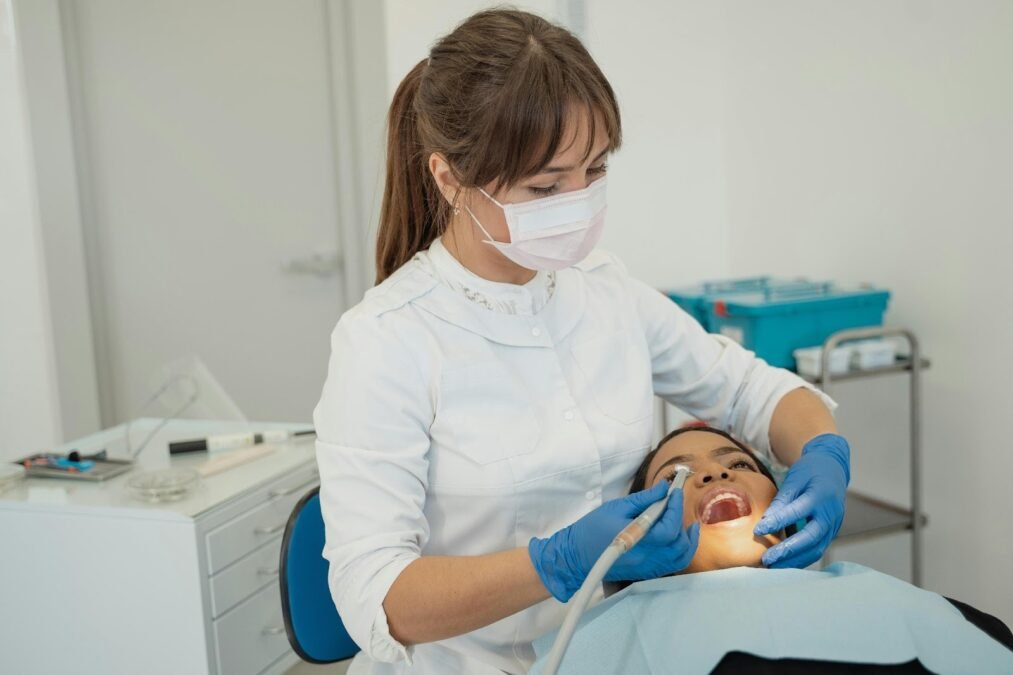

Professional teeth whitening is one of the most popular cosmetic dental treatments in the UK. It is quick, effective, and can noticeably brighten your smile in a short space of time. One of the most common questions patients ask before going ahead is how long professional teeth whitening actually lasts.
The answer depends on several factors, including the type of whitening used, your lifestyle, and how well you look after your teeth afterwards. This guide explains what to expect from professional teeth whitening and how to keep your results for as long as possible.
What Is Professional Teeth Whitening?
Professional teeth whitening is a dental treatment that uses safe, regulated whitening agents to lighten the natural colour of your teeth. Unlike over-the-counter products, it is carried out or prescribed by a qualified dentist.
There are two main types of professional whitening to choose from. In-surgery whitening involves applying a strong whitening gel to the teeth during an appointment. Take-home whitening uses custom-made trays and a dentist-approved gel worn over a period of time.
Both methods are designed to deliver predictable, long-lasting results while protecting tooth enamel and gum health.
How Long Does Teeth Whitening Usually Last?
Professional teeth whitening results by Revo Dent can last anywhere from six months to three years. For many people, the most noticeable brightness lasts around 12 to 18 months.
The exact duration varies from person to person. Teeth do not stay perfectly white forever because they are exposed daily to food, drink, and natural ageing processes. Whitening lifts stains but does not stop new ones from forming.
The key difference with professional whitening is that the results tend to last much longer than shop-bought kits, especially when supported by good oral care.
Factors That Affect How Long Whitening Lasts
Several factors influence how long your teeth stay white after treatment.
Diet plays a major role. Drinks like tea, coffee, red wine, and fizzy drinks can stain teeth over time. Foods such as curry, tomato-based sauces, and berries can also contribute to discolouration.
Smoking or vaping significantly reduces the lifespan of whitening results. Tobacco stains are among the hardest to control and often require repeat treatments.
Oral hygiene habits matter too. Brushing twice a day, flossing, and attending regular dental check-ups all help maintain a brighter smile.
The Difference Between In-Surgery and Take-Home Whitening
In-surgery whitening delivers fast results, often lightening teeth by several shades in one visit. However, because it is a single treatment, the results may fade slightly sooner without good aftercare.
Take-home whitening tends to produce more gradual changes, but the results often last longer because the whitening process is spread over days or weeks. Many dentists recommend a combination of both for the best long-term outcome.
Your dentist will advise on the most suitable option based on your teeth, lifestyle, and whitening goals.
How Age Affects Whitening Longevity
Age plays a part in how long teeth whitening lasts. As we get older, the enamel on our teeth naturally becomes thinner. This allows the darker dentine underneath to show through more easily.
Younger patients often see longer-lasting results, while older patients may notice that their teeth darken again more quickly. This does not mean whitening is ineffective, but maintenance treatments may be needed sooner.
Can Whitening Results Fade Unevenly?
Yes, whitening results can fade unevenly if certain teeth are more exposed to staining than others. Teeth at the front of the mouth often stay whiter longer than those at the sides, which do more chewing.
Existing dental work such as fillings, crowns, or veneers will not whiten at all. This can become more noticeable over time as natural teeth gradually darken again.
A dentist can help manage this by planning whitening carefully and discussing future cosmetic options if needed.
How to Make Teeth Whitening Last Longer
There are several simple ways to extend the life of your whitening results.
Avoid heavily staining foods and drinks, especially in the first 48 hours after treatment. This period is sometimes called the whitening window, when teeth are more likely to absorb colour.
Use a straw for drinks that stain, rinse your mouth with water after eating, and brush regularly with a fluoride toothpaste.
Some dentists also recommend occasional top-up whitening using custom trays to maintain brightness safely.
Is Teeth Whitening Safe to Repeat?
When done professionally, teeth whitening is safe to repeat under dental supervision. Dentists follow strict guidelines to protect enamel and gums.
According to the NHS, whitening should always be carried out or prescribed by a dental professional to avoid damage and ensure safe results.
Overusing whitening products without advice can increase sensitivity and reduce effectiveness, so it is important to follow professional recommendations.
Does Sensitivity Affect How Long Whitening Lasts?
Tooth sensitivity does not usually affect how long whitening lasts, but it can influence how often treatment can be repeated.
Some people experience temporary sensitivity after whitening, particularly to cold. This usually settles within a few days. Using desensitising toothpaste and avoiding very hot or cold foods can help.
Your dentist can adjust treatment strength or timing to minimise discomfort while still achieving good results.
The Role of Regular Dental Visits
Regular dental check-ups and hygienist appointments help maintain whitening results. Professional cleaning removes surface stains before they become deeper and harder to lift.
Dentists can also spot early signs of staining and advise on maintenance options. Guidance from the British Dental Association highlights the importance of ongoing dental care in supporting cosmetic treatments.
Teeth Whitening and Lifestyle Choices
Your lifestyle has a direct impact on how long whitening lasts. People who drink lots of coffee, smoke, or skip brushing are more likely to see results fade quickly.
Those who maintain good oral hygiene and make small changes to their habits often enjoy whiter teeth for much longer.
Whitening works best as part of a wider approach to oral health, not as a one-off fix.
When Should You Consider a Top-Up?
Most people consider a whitening top-up when they notice their teeth losing brightness, rather than waiting for them to return to their original shade.
Top-ups are usually quicker and cheaper than full treatment, especially if you already have custom trays. Your dentist can advise on safe timing based on your teeth and previous treatment.
Final Thoughts
Professional teeth whitening can last a long time, especially when supported by good habits and regular dental care. While results are not permanent, they are far more durable and predictable than non-professional options.
Understanding what affects whitening longevity allows you to make informed choices and protect your investment. With the right care, professional teeth whitening can keep your smile brighter, fresher, and more confident for years to come.