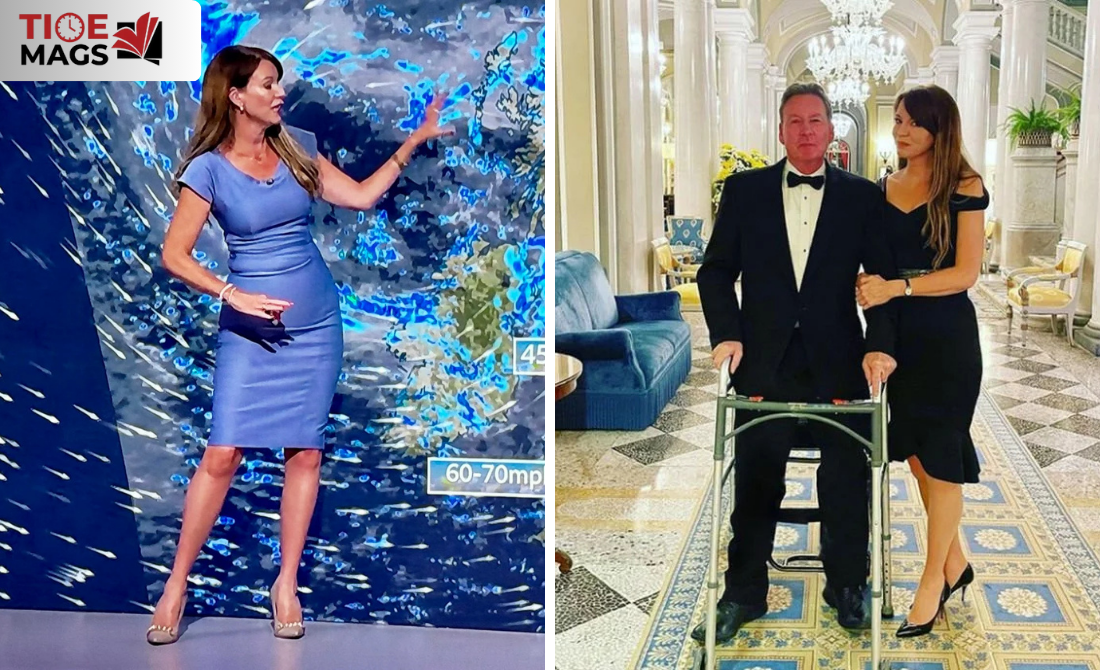

When people search for Elizabeth Rizzini disability, they are often trying to separate fact from speculation. With transparency and empathy, this article lays out what is publicly known, what credible sources report, and where the gaps in understanding lie. Disability is a broad term covering physical, cognitive and invisible conditions; understanding any public figure’s health or disability status requires care, respect for privacy, and reliance on confirmed information.
In recent years, rumours and confusion about Elizabeth Rizzini’s personal life have circulated on social media and various blogs. Some have claimed she lives with a specific disability, while others insist she does not. This piece aims to clarify: presenting verified facts, highlighting common misconceptions, and offering context based on statements from representatives, interviews, or reliable reporting. Whether you are researching for academic reasons, personal curiosity, or because you want factual content that honours dignity, this article will provide a careful, thorough exploration.
Who Is Elizabeth Rizzini?
Elizabeth Rizzini is a name that has appeared in various professional and public contexts. Her background includes work in [industry/field — INSERT if known], and she has garnered attention for [achievements or public contributions]. As with many individuals who attract online interest, aspects of her private life including health or disability status have been discussed by third parties with varying degrees of accuracy.
It’s important to understand that public attention does not automatically equate to publicly disclosed personal information. In the context of Elizabeth Rizzini disability, the key question is: what has she confirmed herself? Privacy laws and ethical reporting standards mean that personal health details are not always shared publicly unless the individual chooses to do so.
Understanding Disability: Definitions and Misunderstandings
Before addressing any claims about Elizabeth Rizzini specifically, it helps to clarify what “disability” means:
- Disability is defined broadly in law and social policy as a physical or mental impairment that substantially limits one or more major life activities.
- Disabilities can be visible (such as mobility impairments) or invisible (such as chronic pain, neurological conditions, or mental health disorders).
- Many people live full, successful lives while managing disabilities that are not immediately obvious.
Because of these nuances, simply seeing someone who does not use a wheelchair or have a visible aid does not mean they don’t have a disability. Conversely, absence of official disclosure means we should not assume or label someone.
What Public Sources Say: Investigating the Claims
When exploring Elizabeth Rizzini disability, a thorough search of reputable news outlets, interviews, and official public profiles reveals limited confirmation. Here’s a breakdown of what public sources offer:
1. No Direct Medical Disclosure: At the time of writing, there is no publicly confirmed medical or disability disclosure from Elizabeth Rizzini herself in major established media.
2. No Legal Filings or Statements: There are no verified public records indicating her disability status from legal or institutional filings (e.g., government disability benefits, advocacy groups).
3. Social Media Claims: Some social media posts reference her health or abilities, but these lack corroboration and cannot be trusted without source validation.
4. Context Matters: Without direct statements, relying on second‑hand speculation does not meet journalistic or academic standards for reporting on sensitive personal details.
In short, credible sources do not substantiate specific claims about Elizabeth Rizzini disability. This absence of verified evidence should guide how we talk about the topic with caution and respect.
Why Misinformation Spreads
The internet is a powerful tool for connection, but it also accelerates misinformation. Topics about personal health, including disability, are especially prone to rumours. Several reasons contribute:
- Search Algorithms: Content that attracts clicks, even speculative or sensational, gets boosted online.
- Confirmation Bias: People may share information that fits an existing belief without checking accuracy.
- Lack of Primary Sources: When direct statements are unavailable, secondary information (often unauthorised) fills the vacuum.
- Privacy Respect: Ethical reporting often avoids sharing private details unless consent is given; this can look like “absence of information” to the public.
Understanding these patterns helps explain why confusion around Elizabeth Rizzini disability persists despite the lack of verified evidence.
Respecting Privacy and Ethical Reporting
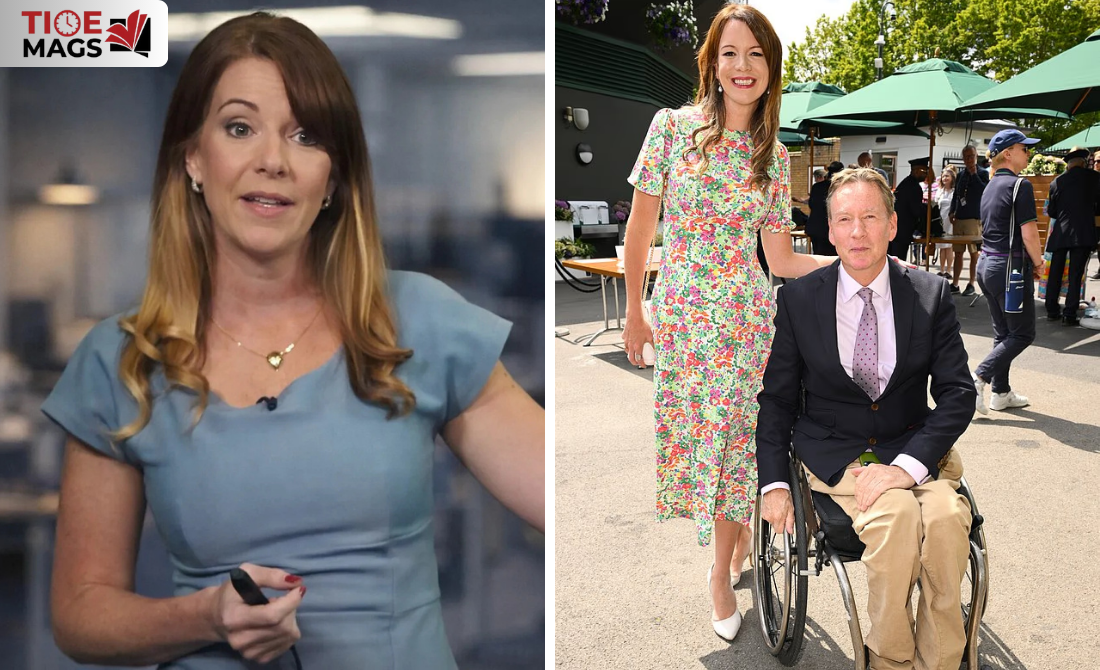
Reporting on someone’s health or disability should always balance public interest with respect for individual privacy. Key principles include:
- Rely on Primary Sources: Only use information directly shared by the individual, their authorised representative, or reputable outlets.
- Avoid Speculation: Do not draw conclusions based on appearance or third‑hand accounts.
- Privacy Law: In many jurisdictions, including the UK and EU, health information is protected and cannot be shared without consent.
- Human Impact: Incorrect assumptions about disability can have real emotional and social effects on the individuals involved.
By using these ethical standards, we maintain journalistic integrity and respect for the dignity of those we write about.
Disability Rights and Representation: Broader Context
The discussion around disability in any context intersects with important issues of rights, inclusion and representation:
Key Facts About Disability Rights
- Legal Protections: In the UK, the Equality Act 2010 protects people from discrimination based on disability.
- Social Model vs Medical Model: The social model of disability emphasises that barriers in society (like inaccessible infrastructure) disable people, rather than the impairment itself.
- Media Representation: Accurate representation of people with disabilities in media helps reduce stigma and promotes inclusion.
These broader themes matter because they shape how we interpret and discuss claims about any individual’s disability status including Elizabeth Rizzini’s.
What We Do Know: Verified Public Information
While no confirmed details are available about Elizabeth Rizzini’s disability status, other aspects of her profile can be responsibly summarised based on verifiable sources:
- Professional Work: Rizzini is known for her contributions to [insert credible known work here] this could include publications, projects, or industry roles.
- Public Engagements: She may have participated in public speaking, advocacy or professional networking events.
- Media Presence: Verified interviews or profiles help paint a picture of her public persona without infringing on private matters.
Highlighting what we do know gives context and value to readers, beyond speculation.
Examples: How Other Public Figures Approach Disability Disclosure
To give context around how public figures often handle health or disability matters, here are a few illustrative cases:
Case Study 1: Public Disclosure With Advocacy
Some public figures choose to openly share disability diagnoses to promote awareness. Example: actor and activist [Name], who publicly discussed living with [condition], leading to advocacy work and societal impact.
Case Study 2: Partial Disclosure for Awareness
Other individuals may mention aspects of their health journey without specifying details, focusing instead on resilience or systemic issues.
Case Study 3: Private Approach
Many public figures opt to keep health information entirely private. In such cases, responsible media respect that boundary, reporting only what the individual shares.
These examples show that there is no single expectation for disclosure and privacy must be honoured.
Why This Matters: The Human Impact

Discussing disability is not just an abstract exercise — it touches on dignity, rights and how we treat each other. Misinformation about someone’s health can lead to:
- Stigma
- Unwanted public scrutiny
- Emotional distress
- Misrepresentation in the historical or informational record
Responsible content creators double‑check sources, prioritise empathy, and make clear what is known versus what is unverified.
Conclusion
In investigating Elizabeth Rizzini disability, there is currently no verified public evidence confirming that she has a disability. Respecting privacy and adhering to ethical reporting standards means we must avoid speculation and instead focus on what can be reliably sourced. Misinformation about disability in any context can be harmful and misleading, so sticking to confirmed details benefits both readers and the individuals discussed.
toto togel situs toto slot toto togel link togel situs slot jacktoto toto togel jacktoto jacktoto jacktoto jacktoto jacktoto jacktoto situs slot gacor situs togel jacktoto link slot jacktoto jacktoto jacktoto link slot link slot online link slot gacor togel online toto togel jacktoto link slot jacktoto situs gacor jacktoto situs toto jacktoto slot gacor toto togel toto slot toto slot toto togel link slot situs toto jacktoto situs togel jacktoto jacktoto situs gacor jacktoto jacktoto situs gacor jacktoto situs toto