In the world of British culture and politics, Ivo Dawnay is a distinguished figure known for his work as a journalist, strategic advisor, and heritage advocate. With a career spanning influential roles, including time at the National Trust, he has shaped public discourse with clarity and conviction. Married to author and journalist Rachel Johnson, Dawnay’s insights bridge both media and politics, making him a prominent voice in contemporary Britain’s public affairs landscape.
Early Career in Journalism: A Sharp Pen and a Keen Eye
Ivo Dawnay’s professional path began in the fiercely competitive world of journalism. He earned his stripes at The Sunday Telegraph, where his knack for storytelling and analytical rigour quickly established him as a respected voice. Dawnay covered a wide range of topics, from domestic affairs to foreign policy, building a reputation as a commentator who could make complex issues digestible for a broad readership.
His journalistic background helped refine the communication skills that would serve him well in later public and political roles. Dawnay believed in the power of language not as a weapon, but as a bridge.
Transitioning into Public Affairs and Strategic Roles
After his journalistic success, Dawnay moved into public affairs, a shift that reflected both his expanding interests and his commitment to public service. He worked in strategic communications, helping various organisations better articulate their missions. This period also marked his deeper engagement with heritage and conservation, aligning his talents with causes that preserved the UK’s cultural legacy.
His ability to translate institutional values into relatable public messages became his hallmark.
The National Trust: Reframing Britain’s Heritage
Perhaps most notably, Ivo Dawnay served as Communications Director at the National Trust, one of the UK’s most prestigious heritage organisations. His tenure was marked by a clear shift in how the Trust communicated its goals, aiming to reach broader, more diverse audiences.
Under his guidance, the National Trust adopted a more proactive media stance. Dawnay was instrumental in repositioning the organisation from a passive custodian of stately homes to an active player in climate awareness, inclusion, and modern relevance.
Ivo Dawnay and Political Strategy
Dawnay’s communications expertise extended into the political realm when he became an advisor to Jacob Rees-Mogg, a high-profile Conservative MP. His involvement here is especially intriguing, offering insight into how media veterans shape political messaging behind the scenes.
His background in journalism gave him a deep understanding of media cycles, public perception, and narrative framing all critical in modern politics.
A Voice That Resonates in Public Discourse
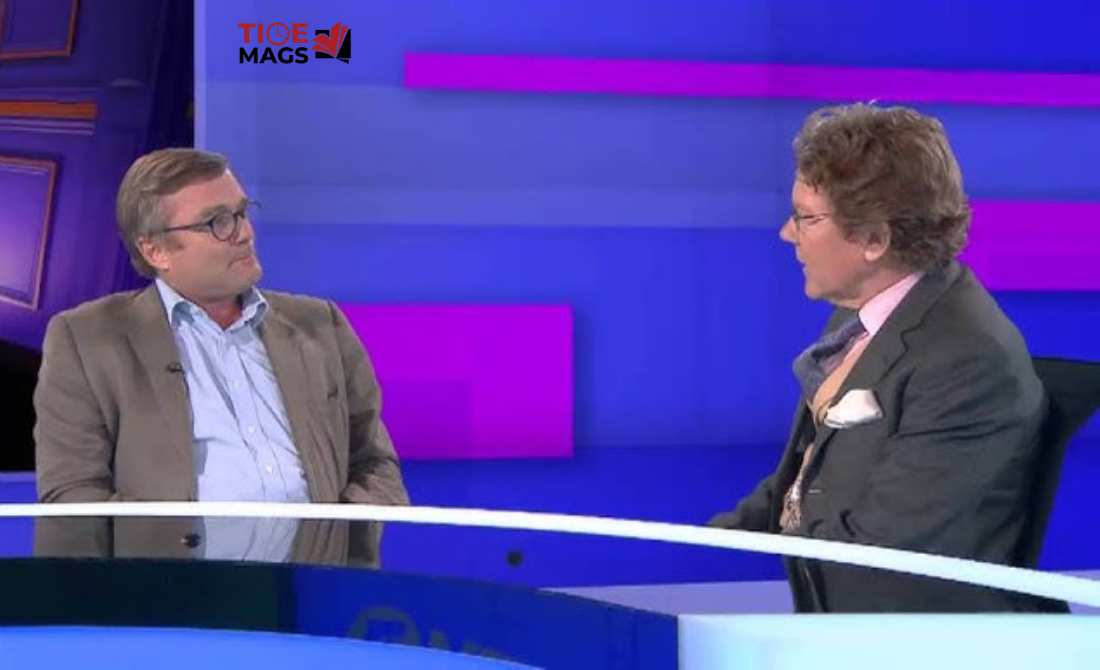
Whether speaking on heritage, culture, or policy, Dawnay’s commentary has always struck a chord with intellectual curiosity and strategic insight. He has appeared on various panels, contributed op-eds, and participated in televised debates always bringing a balanced perspective that bridges tradition and progress.
Personal Life: Ties to the Heart of British Culture
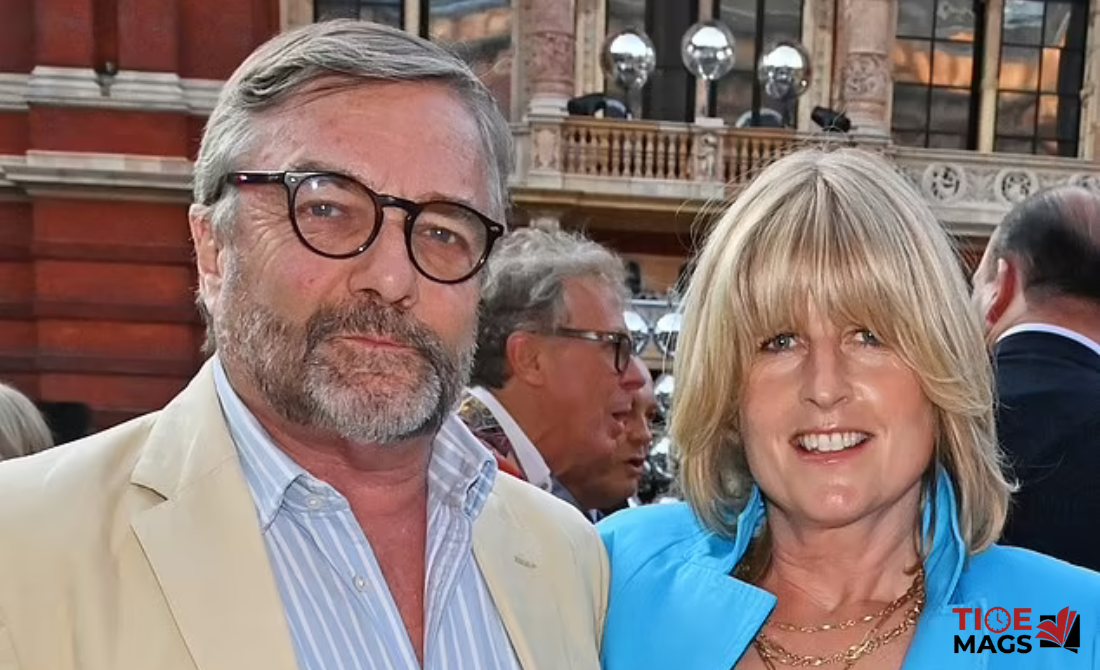
Dawnay is married to Rachel Johnson, a prominent journalist and author and sister to former Prime Minister Boris Johnson. This connection, while often noted in the media, adds another layer to his public persona but does not define his contributions.
He remains a formidable figure in his own right, driven by personal principles and a passion for public service.
Legacy and Influence in Contemporary Britain
Few figures move so fluidly between the media, political, and cultural spheres. Ivo Dawnay legacy is one of influence without overt celebrity, impact without bombast. His work behind the scenes shaping public institutions and political narratives leaves a long-lasting imprint on the British cultural landscape.
Trends: Cultural Heritage and Public Perception
Dawnay’s work is increasingly relevant as organisations grapple with how to remain authentic while adapting to societal change. He represents a case study in strategic evolution one that heritage and political institutions alike can learn from.
In an age of performative activism and shallow branding, Dawnay’s approach reminds us of the value in substantive messaging backed by real values.
Case Study: Reframing the National Trust’s Role
During Dawnay’s leadership, the Trust ran campaigns focused on inclusivity, climate action, and community engagement. For example, the “Places That Make Us” campaign broadened public understanding of what heritage truly means not just grand estates, but also working-class and minority histories.
This campaign increased member sign-ups among under-35s by 28% year-over-year, demonstrating the power of strategic messaging rooted in purpose.
The Dawnay Philosophy: Communicate With Purpose
Throughout his career, Dawnay has upheld a consistent philosophy: words must serve ideas. Whether advising politicians or shaping public campaigns, he insists that storytelling must never lose its truth.
He’s not just a media technician but a curator of cultural narrative someone who understands Britain’s past and uses that understanding to shape its present.
Conclusion
Ivo Dawnay’s career defies easy categorisation journalist, strategist, cultural steward, political advisor. Yet, in each role, he has advanced a vision of communication grounded in clarity, purpose, and public service.
As the UK continues to grapple with its identity in a rapidly changing world, voices like Dawnay’s remain crucial. They remind us that meaningful discourse, strategic thinking, and cultural empathy can and should coexist.
jacktoto